TK Arun
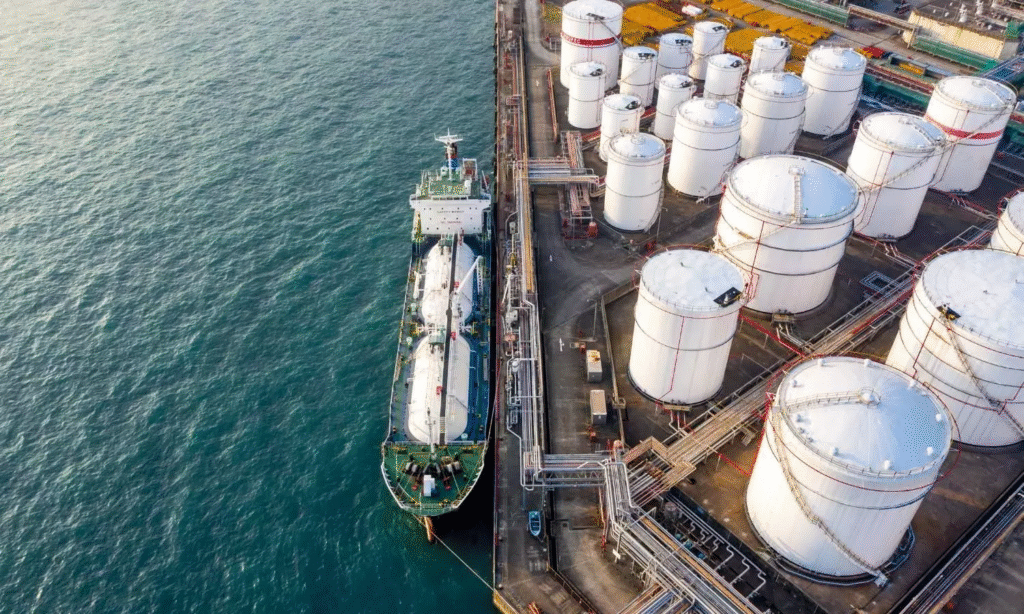
Buying Russian oil is not about the cost of energy, but about reducing the chance of a bipolar hegemony under the US and China
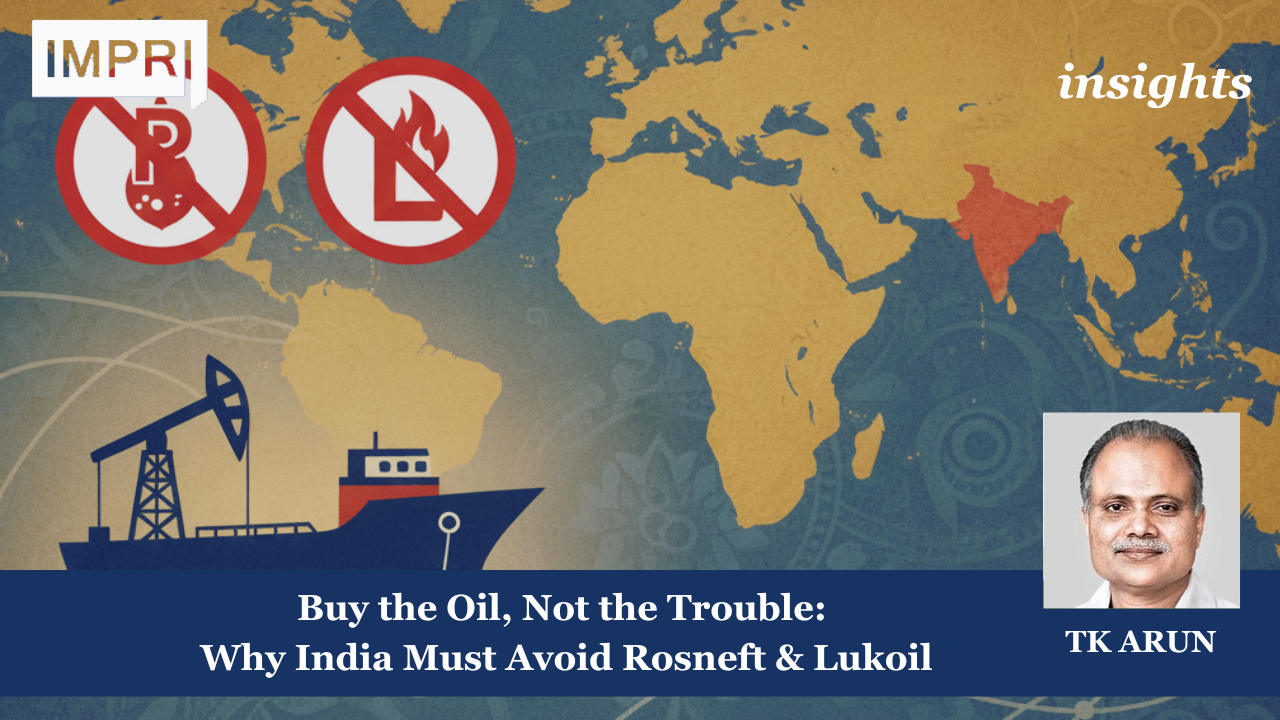
There are good reasons for India to continue sourcing oil from Russia, notwithstanding the latest American sanctions on Russia’s oil giants Lukoil and Rosneft. India has a stake in Russia retaining its great power status, for which Moscow needs to have continued access to its only all-season naval base in Sevastopol, Crimea. That, in turn, calls for Ukraine to stay neutral, rather than join NATO, and for Russia to have control of eastern Ukraine, through which run the land routes from Moscow or St Petersburg to Crimea. Buying Russian oil is not primarily about cheaper energy, as far as India is concerned.
Russia’s post-Soviet struggle
Russia is the successor state to the Soviet Union, which was dismantled in 1991, and still possesses a large and advanced nuclear arsenal. However, the Soviet engineering and technological capability that would have helped post-Soviet Russia compete with other major economies was hollowed out and destroyed in the 1990s, when Boris Yeltsin and his cronies presided over Russia, the loot of its state-owned enterprises, and the privatisation of national wealth in general.
Putin stopped the dissolution of the Russian state after he was put in charge in 2000, and started consolidating and rebuilding Russian coherence and economic vitality. Russia is still a nation in the making, hindered by US-led efforts to prise away its former Warsaw Pact allies, surround Russia with NATO powers, and force Russia to spend on arms, rather than on other things.
Former Warsaw Pact countries, the Czech Republic, Hungary, Poland, Bulgaria, Estonia, Latvia, Lithuania, Romania, Slovenia, Slovakia, Croatia, and Albania are all now members of NATO. Putin stopped Georgia from joining the military alliance and annexed Crimea in 2014, when a West-backed uprising threw out Ukraine’s pro-Moscow government. Land access to Crimea runs through Donbas. Had Ukraine remained neutral and agreed to Russia’s unhindered logistical connectivity to Crimea, there would have been no need for Russia to invade Ukraine.
Anti-Moscow military alliance
The US and its European NATO allies have consistently armed and aided Ukraine, and encouraged it to join the anti-Moscow military alliance. Russia could not afford to let Ukraine, which lies athwart Crimea and Russia’s only warm-water naval base, join NATO.
The Ukraine war is about Russia wanting to maintain the status quo, not about fulfilling revanchist dreams of rebuilding the Russian empire under the Czars. The Cuban Missile Crisis was triggered when Havana exercised its sovereign right to let the Soviet Union locate some of its nuclear missiles on Cuba, just 90 miles away from the US mainland. There are certain sovereign rights that countries in the strategic neighbourhood of a global power would choose not to exercise. Ukraine is learning this lesson the hard way.
India’s strategic position
Indians might sympathise with Ukrainians. But for India to see Russian power diminished is to lose a degree of its own strategic autonomy. China is the only power to rival the US in economic and technological might. China also has claims on Indian territory, and follows a policy of aiding and strengthening countries inimical to India in the neighbourhood. Right now, India needs US assistance to keep Chinese ambitions vis-à-vis Indian territory under check. But India does not want to be obliged to accept the USdiktat in return.
If there are no major power centres apart from the US and China, India would have little scope for manoeuvre. It is in India’s interest that Russia’s salience as a global power is preserved. This is why India refuses to vote against Russia on Ukraine at the UN.
It is not in India’s interest for Russia to lose the financial muscle to pursue its strategic goal in Ukraine. This is one reason to keep buying Russian oil. If the Russian oil output of some 4 million barrels a day were to drop out ofthe global supply available to meet global demand, the price of oil would go up, and that would hurt India’s economic prospects as well.
Sanctions on Lukoil and Rosneft
The US has now put sanctions on Lukoil and Rosneft, and if Indian oil companies buy oil from these sanctioned entities, they too could be placed under sanctions. That is avoidable.
When a small army takes on a much larger force, frontal confrontation is not the best strategy. Some tactics of guerrilla warfare would make sense.
Till recently, China used to be a bigger buyer of seaborne oil from Russia than India. But state-owned Chinese refiners accounted for barely 250,000 tonnes a day of the Chinese offtake of nearly 2 million barrels. The rest are purchased by small companies that the Chinese call teapots.
Alternatives for India
There is no reason for Russia to sell the bulk of its hydrocarbons through Lukoil and Rosneft. The oil can be sold to a variety of small companies, and these traders could sell it to other small traders who could swap it for oil without any Russian taint for sale to Indian buyers, large or small.
The rupee and the yuan both have their digital versions on the blockchain. Payments in these cryptocurrencies can be effected without going through banking channels. Russian imports from Kazakhstan and some other states of Central Asia have gone up sharply after the West placed embargoes on Russian trade. Russia should be happy to accept payments in the Kazakh currency. Kazakhstan’s importers need hard currency to import the inputs for their exports to Russia. There could be no bar on India offering a dollar swap line to Kazakhstan.
Flexibility and mobility are key to guerrilla success against a larger enemy. The point is to adopt the right tactics, not to accept defeat and leave the battleground, abandoning strategic goals in the face of hostile pressure.
TK Arun is a Journalist, formerly Editor, Opinion at the Economic Times
The article was first published in The Core as Trump’s Call To Make Everything In America Isn’t Working on October 17, 2025
Disclaimer: All views expressed in the article belong to the author and not necessarily to the organisation.
Acknowledgment: This article was posted by Asmeet Kaur, Research Intern at IMPRI.
Read More at IMPRI:
The Language of Inclusion: Intersectionality Needs Power, Not Just Representation