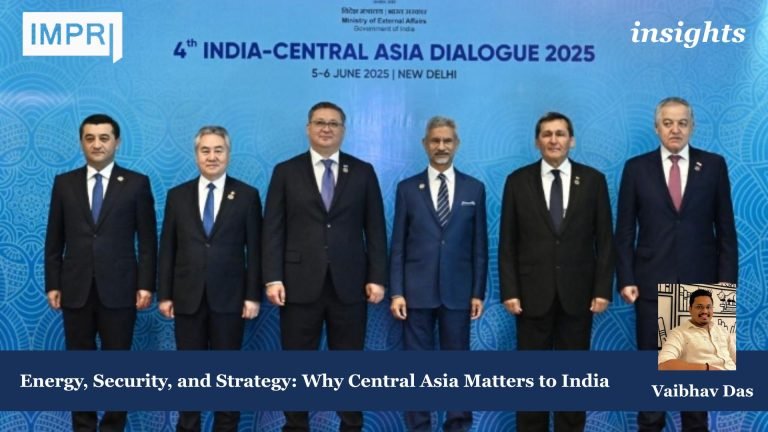
Energy, Security, and Strategy: Why Central Asia Matters to India
The 5 “stans” form the Central Asian region, namely Kazakhstan (Astana), Uzbekistan (Tashkent), Turkmenistan (Ashabat), Kyrgyzstan (Bishkek), and Tajikistan (Dushanbe).

The 5 “stans” form the Central Asian region, namely Kazakhstan (Astana), Uzbekistan (Tashkent), Turkmenistan (Ashabat), Kyrgyzstan (Bishkek), and Tajikistan (Dushanbe).
The international system is crowded with security alliances, NATO, AUKUS, QUAD, BRICS+, I2U2, yet wars rage across Ukraine, Gaza, Yemen, Sudan and beyond.
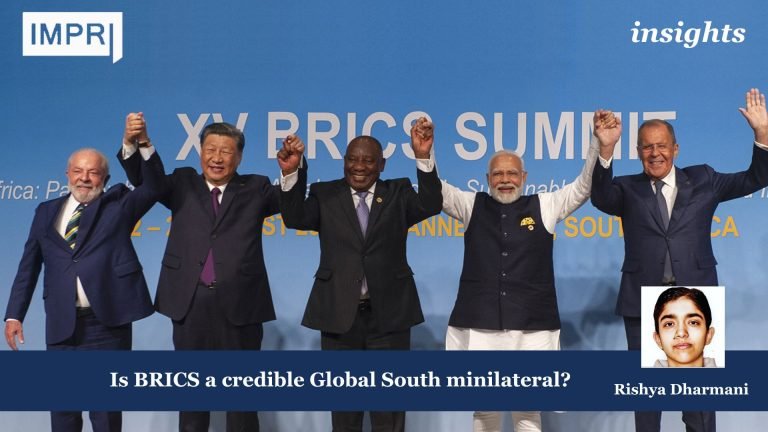
BRICS travelled from the world of fiction to an institutional reality in 2009, with Brazil, Russia, India and China coming together.
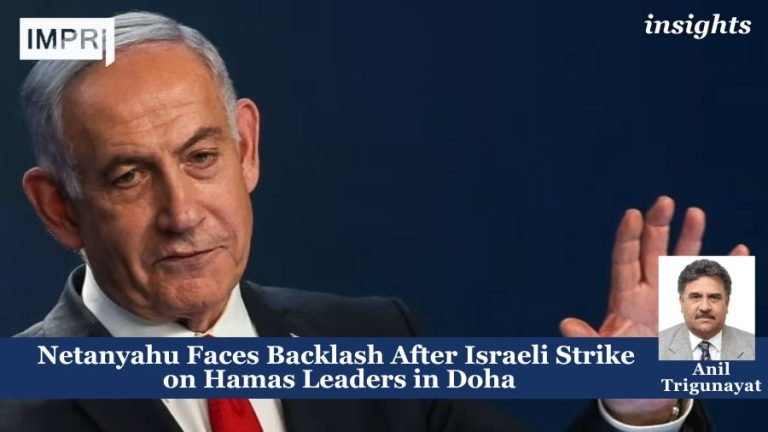
This time around, the Qataris—and by extension, other Arab and Islamic countries—are showing exceptional unity in confronting Israel directly, and, by implication, the US as well
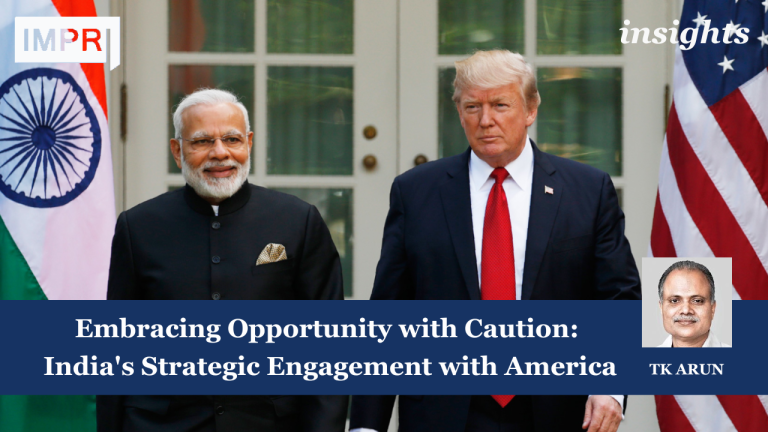
India embraces its need for American intelligence and weapons to keep China at bay. At the same time, India does not want to be obliged to the US so much that it comes under its thumb. India is better off with a multipolar world, with multiple power centres.
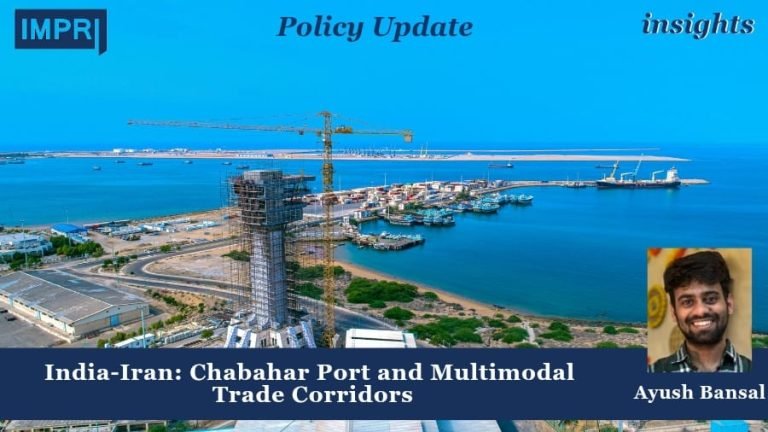
India and Iran have historically enjoyed cultural, economic, and historical connections. Their relations have also gained new strategic importance in the last few decades with the re-emergence of Chabahar Port as a hub for India's regional connectivity policy.

The relationship between the United States and India has entered a new era, where Artificial Intelligence (AI) and the digital economy are becoming the key drivers of cooperation. The Government of India initiated the National AI Mission in March 2024, with a budget of ₹10,300 crore. The mission aims at the development of a large-scale computing infrastructure, the development of in-country created models of Artificial Intelligence like Bharat Gen, the development of semiconductor manufacturing, and the nurturing of Artificial Intelligence talent through the IndiaAI Future Skills programme.