Category Gender Impact Studies Center

Unveiling the Barriers: A Qualitative Exploration of Rural Women’s Access to Family Planning Services in India

India's family planning programme, one of the oldest in the world, has seen considerable evolution. Yet, national progress masks deep regional inequalities.

What does consent look like on Digital Platforms in India?

In India, consent is typically interpreted as the absence of "no" rather than the presence of "yes” (RAINN, n.d.). Publicly available songs and films cater to this type of narration primarily. Smiling, maintaining eye contact, and nodding were among the few gestures that indicated the parameter by the female. As mentioned, chatting with someone is also seen as being interesting. One-sided narration and assumption generally fueled the conversation beyond friendship, which led to sharing private information with the behind-the-screen individual.

The Changing Gender Discourse: A Generational Analysis of the Shifting the Narratives of Gender

Gender in India isn’t just about men and women—it intersects with caste, class, and regional identities, making the journey toward equality complex yet essential. From legal reforms to shifting cultural mindsets, younger generations are questioning the norms they’ve inherited, pushing for a more egalitarian future.

Old Promises, New Threats: India’s Climate Pledges Leave Women’s Safety in Disaster Risks Unprotected

Climate change-induced disasters in India disproportionately affect women, deepening vulnerabilities and increasing risks such as health crises, displacement, and gender-based violence. While India has advanced on some climate commitments, its disaster risk reduction policies lack a strong gender-responsive focus. This article highlights these gaps, drawing on international frameworks like the Sendai Framework, and offers recommendations for integrating women’s security into climate adaptation strategies to build a more resilient and equitable future.

Gender Justice: Celebrated on screen, silenced behind the scenes?

On a quiet Kerala morning in 2017, a tremor was felt—not underfoot, but across the silver screens of Malayalam cinema. A leading female actor was kidnapped and assaulted, and the industry’s initial silence was deafening. The walls of vanity vans and film sets, long complicit in their silence, had harboured too many secrets for too long. But this time, something shifted.

National Scheme for Incentives to Girl Child for Secondary Education

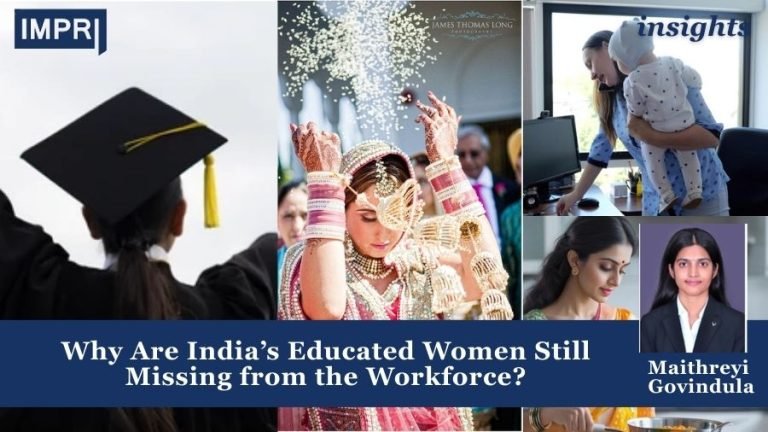
Education is the one tool for achieving social justice and equality. It is important for the holistic development and creation of an inclusive society. Despite India being the third-largest economy, the promise remained incomplete. According to UDISE+ data, 2023-24, there are 1471891 schools across India, with a total number of enrolments (Primary to Higher secondary) is 234963031.

Talk to Us