Policy Update
Madhu Swaraj
Background
Launched by the Prime Minister in October 2016, the National SC-ST Hub (NSSH) was established to foster an ecosystem that supports SC/ST entrepreneurs in fulfilling the mandates of the Public Procurement Policy for Micro and Small Enterprises (MSEs) Order, 2012. This policy stipulates that Central Ministries, Departments, and Central Public Sector Enterprises (CPSEs) must procure a minimum of 25% of their total annual requirements from MSEs, with a specific sub-target of 4% earmarked for SC/ST-owned enterprises.
The NSSH was designed not merely as a subsidy-providing body but as a professional support unit to address the low participation of marginalized communities in the formal economy. For the 15th Financial Cycle (2021-22 to 2025-26), the Government of India allocated an outlay of ₹438 crore to continue and scale these interventions.
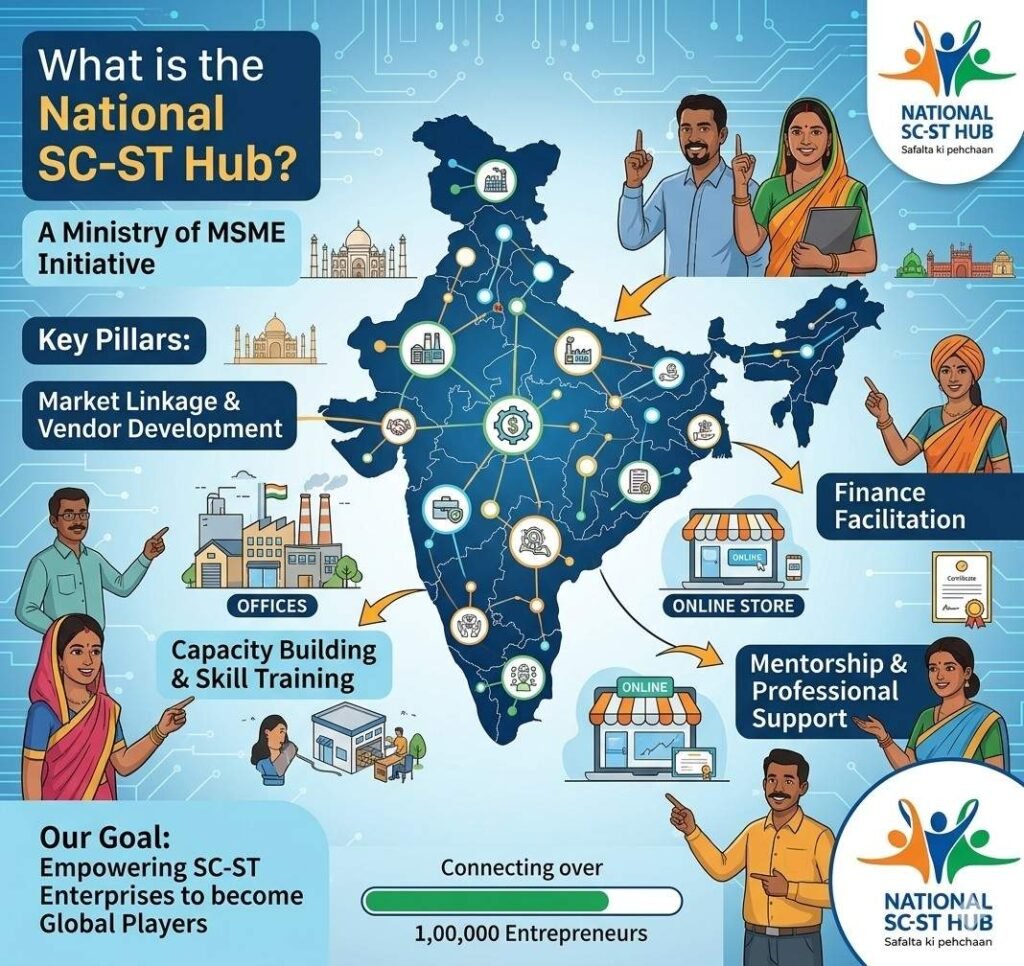
Figure 1. The National SC-ST Hub | Credit: AI-Generated
Functioning
The Hub is implemented by the National Small Industries Corporation (NSIC). It operates through a multi-dimensional strategy focused on four key pillars:
- Capacity Building: Tailored Entrepreneurship Development Programmes (EDPs) and Skill Upgradation Programmes (SUPs) are conducted to enhance technical and managerial competencies.
- Financial Facilitation: The Special Credit Linked Capital Subsidy Scheme (SCLCSS) provides a 25% capital subsidy (capped at ₹25 lakh) for the purchase of plant and machinery, facilitating technology upgradation without excessive debt.
- Market Access: Through the Special Marketing Assistance Scheme (SMAS), the Hub subsidizes participation in domestic and international exhibitions, buyer-seller meets, and vendor development programs.
- Mentorship and Handholding: NSSH centers provide “one-stop” assistance for Udyam registration, GeM (Government e-Marketplace) onboarding, and tender participation.
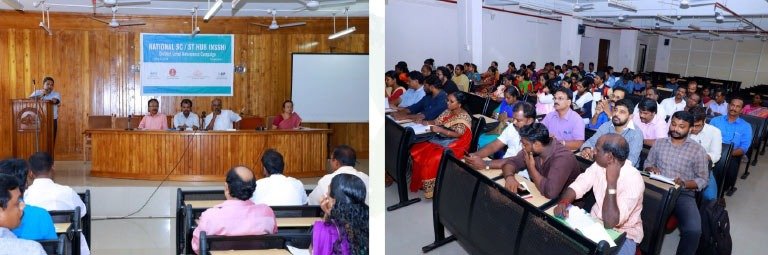
Figure 2. District Level Awareness Campaigns in association with the respective District Industries Centres, NSIC and MSME. | Credit: Kerala Bureau of Industrial Promotion (K-bip)
Performance
As of early 2026, the NSSH has demonstrated a significant upward trajectory in bringing SC/ST entrepreneurs into the mainstream.
Key Performance Metrics (Fiscal Year Analysis)
The performance data for the National SC-ST Hub reveals a significant and accelerating growth trajectory in public procurement and entrepreneur participation over the last five fiscal years.
In FY 2021-22, procurement from SC/ST-owned Micro and Small Enterprises (MSEs) stood at ₹1,302 crore, benefiting 10,437 units. This remained relatively stable through FY 2022-23, which saw a slight increase in procurement value to ₹1,546 crore despite a marginal dip in the number of units benefited (10,354). By FY 2023-24, the momentum began to build, with procurement rising to ₹1,761 crore across 11,573 units.
The most dramatic surge occurred in FY 2024-25, where the procurement value more than doubled to ₹3,731 crore, and the number of beneficiaries nearly doubled to 21,972 units, marking a breakthrough year for marginalized entrepreneurs in the public supply chain. Looking at the current FY 2025-26, projections based on H1 (first half) data indicate a robust continuation of this trend; while the mid-year count stands at 8,902 units, the procurement value is already projected to exceed ₹3,301 crore, suggesting that the average value per contract for SC/ST MSEs is reaching record highs.
The data indicates a massive surge in procurement value between 2023 and 2025, suggesting that the “vocal for local” and “Aatmanirbhar Bharat” initiatives, coupled with aggressive NSSH outreach, have begun to yield systemic results.
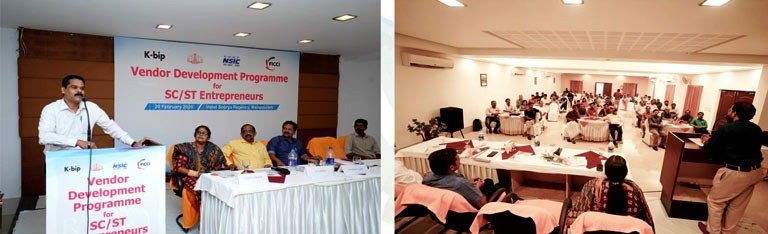
Figure 3. Vendor Development Programmes | Credit: Kerala Bureau of Industrial Promotion (K-bip)
Impact
The impact of the NSSH extends beyond fiscal numbers into social equity:
- Formalization of Business: The Hub has successfully incentivized thousands of informal SC/ST units to register on the Udyam portal, making them eligible for formal credit.
- Public Procurement Integration: By providing training on the GeM portal, the Hub has reduced the “bid-phobia” among first-generation entrepreneurs, allowing them to compete for high-value government tenders.
- Technological Parity: Through SCLCSS, SC/ST MSEs are increasingly adopting modern manufacturing technologies, narrowing the productivity gap between marginalized and general category enterprises.
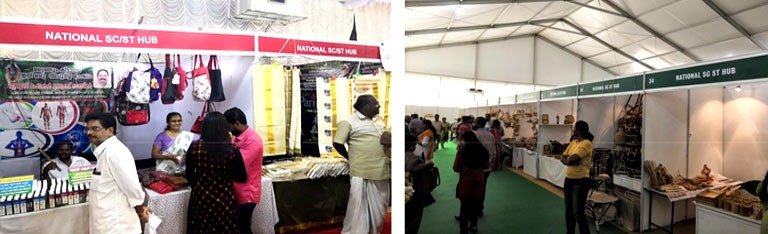
Figure 4. Exhibitions / Trade Fairs | Credit: Kerala Bureau of Industrial Promotion (K-bip)
Emerging Issues
Despite the progress recorded by early 2026, several challenges impede the goal of reaching the 4% procurement target consistently:
- The “Missing Middle” Problem: The vast majority (over 95%) of SC/ST enterprises remain in the “Micro” category. Scaling these units into “Small” or “Medium” enterprises remains a hurdle due to limited access to equity.
- Delayed Payments: SC/ST entrepreneurs often lack the liquidity buffer to withstand delayed payments from Central Public Sector Enterprises (CPSEs), which continues to be a systemic issue despite the TReDS platform. TReDS (Trade Receivables e-Discounting System) is an RBI-regulated digital platform in India designed to facilitate the financing of trade receivables for Micro, Small, and Medium Enterprises (MSMEs). It enables MSMEs to discount invoices against large corporate buyers, reducing payment delays and improving cash flow without requiring collateral.
- Awareness Gaps in Remote Areas: While urban clusters are well-served, entrepreneurs in Aspirational Districts and remote tribal belts still face difficulties accessing the Hub’s benefits.
- Complex Compliance: The transition to a GST-compliant, digital-first business model remains daunting for many first-generation owners.
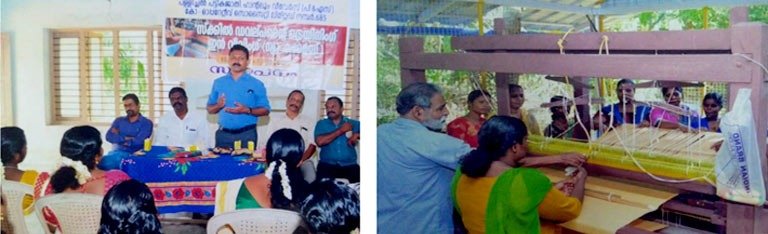
Figure 5. Skill Development Training | Credit: Kerala Bureau of Industrial Promotion (K-bip)
Way Forward
To ensure the NSSH evolves into a self-sustaining engine of growth, the following strategies are recommended:
- Digital Integration: Leveraging AI-driven analytics to match SC/ST vendors with upcoming government tenders in real-time.
- Export Promotion: Creating “Export Consortia” specifically for SC/ST-led industries to help them tap into global value chains beyond domestic procurement.
- Equity Support: Transitioning from debt-based support to equity-linked instruments, perhaps through a dedicated sub-fund under the “Self-Reliant India (SRI) Fund”.
- Strengthening Hub Centers: Expanding the physical and digital footprint of NSSH offices to the district level to provide hyper-local handholding.
References
- Government e-Marketplace (GeM). (2020). Mandatory procurement of common goods and services through GeM. Department of Expenditure, Ministry of Finance. https://gem.gov.in/
- Kerala Bureau of Industrial Promotion. (n.d.). National SC/ST Hub. https://www.kbip.org/activities/national-sc-st-hub?hl=en-IN
- Ministry of Micro, Small and Medium Enterprises. (2024). Annual Report 2023-24. Government of India. https://msme.gov.in/documents/reports/annual-reports
- Ministry of Micro, Small and Medium Enterprises. (n.d.). National SC-ST Hub (NSSH). Government of India. https://www.scsthub.in/
- Ministry of Micro, Small and Medium Enterprises. (2025). Outcome Budget of the Ministry of MSME for 2024-25. https://msme.gov.in/outcome-budget
- National Small Industries Corporation (NSIC). (n.d.). Special Credit Linked Capital Subsidy Scheme (SCLCSS). https://www.nsic.co.in/Schemes/SCLCSS
- Office of the Development Commissioner (MSME). (2016). FAQs on Public Procurement Policy for MSEs Order, 2012. Ministry of Micro, Small and Medium Enterprises. https://dcmsme.gov.in/faq.pdf
- Sambandh Portal. (2026). Public Procurement Policy Monitoring Portal for MSEs. Ministry of MSME. https://scsthub.in/performance-statistics
- Udyam Registration Portal. (2024). Registration statistics and MSME classification. Ministry of Micro, Small and Medium Enterprises. https://udyamregistration.gov.in/
About the Contributor:
Madhu Swaraj is a Research Intern at IMPRI.
Acknowledgement: The author extends sincere gratitude to the IMPRI team for their expert guidance and constructive feedback throughout the process.
Disclaimer: All views expressed in the article belong solely to the author and not necessarily to the organization.
Read more at IMPRI:
DBT-Wellcome Trust Partnership/India Alliance