Misplaced Priorities? Rethinking India’s Approach to the Water Crisis
Water problems are not new in India. They have been there for many millennia in different forms—water scarcity, droughts, floods, water logging, water contamination, etc.

Water problems are not new in India. They have been there for many millennia in different forms—water scarcity, droughts, floods, water logging, water contamination, etc.
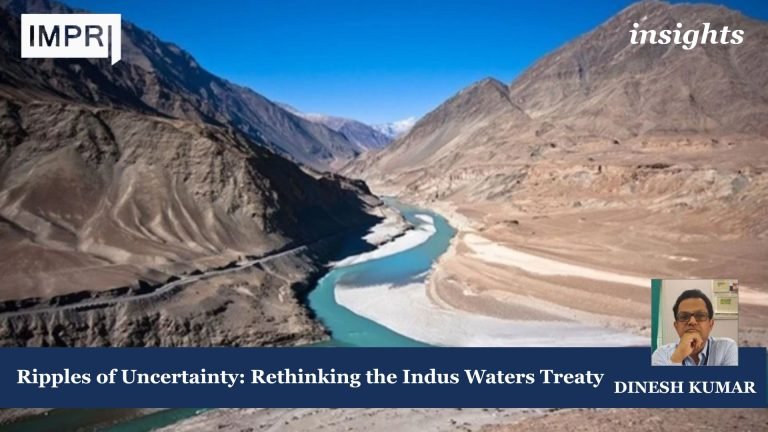
One of the oldest water treaties on the planet which was over sharing of waters between two nations of South Asia that came into existence in 1960 and survived several tensions and military conflicts
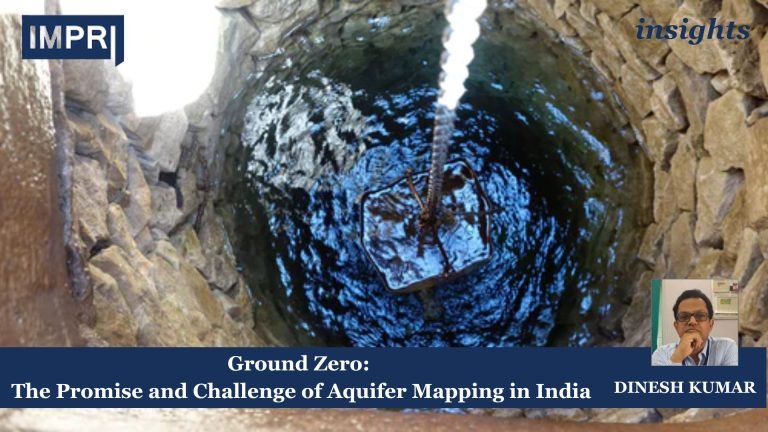
It has been almost three decades since the efforts to pitch groundwater against surface water began in India by a bunch of researchers and academicians, with the sole aim of proving that the former (groundwater) is better than the latter (surface water) for meeting India’s growing water demands.
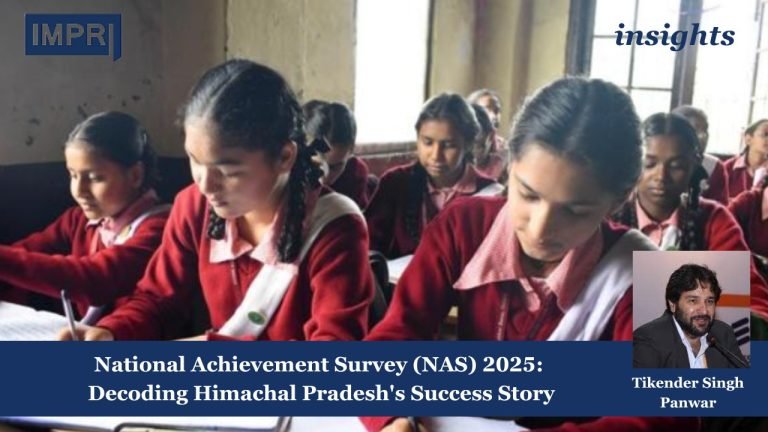
When the National Achievement Survey (NAS) 2025 results were released on July 2, few expected Himachal Pradesh — which ranked at a modest 21st place in 2021 — to leap into the top five. While Punjab and Kerala retained their leading positions, it was Himachal’s 16-rank jump that garnered headlines.
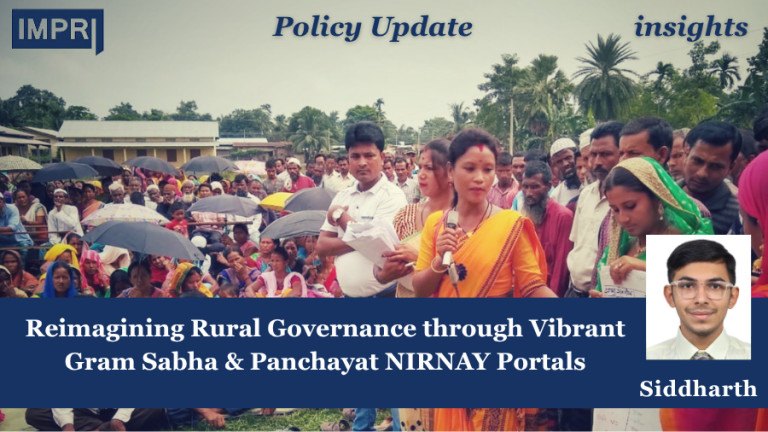
The Vibrant Gram Sabha and Panchayat NIRNAY portals are key digital initiatives launched by the Government of India to modernize rural governance. Designed to boost transparency and encourage active citizen involvement in Gram Sabha (village assembly) meetings, these platforms replace the old paper-based processes with efficient, real-time digital systems.
The Scheme for Transformational and Advanced Research in Sciences is an initiative of the Ministry of Human Resource Development (MHRD) and the Department of Higher Education, established in February 2019. It operates with the main aim of promoting translational, India-centric research in sciences, to be implemented and managed by the Indian Institute of Science (IISc), Bangalore. The scheme functions to support socially relevant research in the following six basic thrust areas – Physics, Chemistry, Biological Sciences, Nanosciences, Data Sciences & Mathematics, and Earth Sciences.