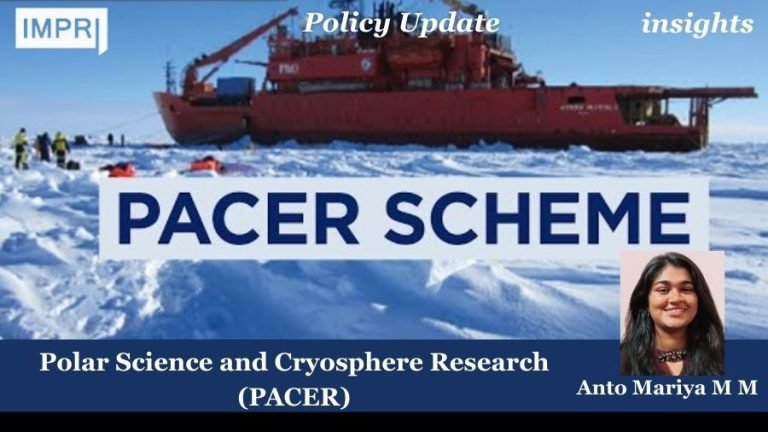
Polar Science and Cryosphere Research (PACER)
PACER is a research and development (R&D) scheme aimed at studying different aspects of the polar and cryosphere with special attention to the Antarctic, Arctic and the Glaciers of the Himalayas.
PACER is a research and development (R&D) scheme aimed at studying different aspects of the polar and cryosphere with special attention to the Antarctic, Arctic and the Glaciers of the Himalayas.
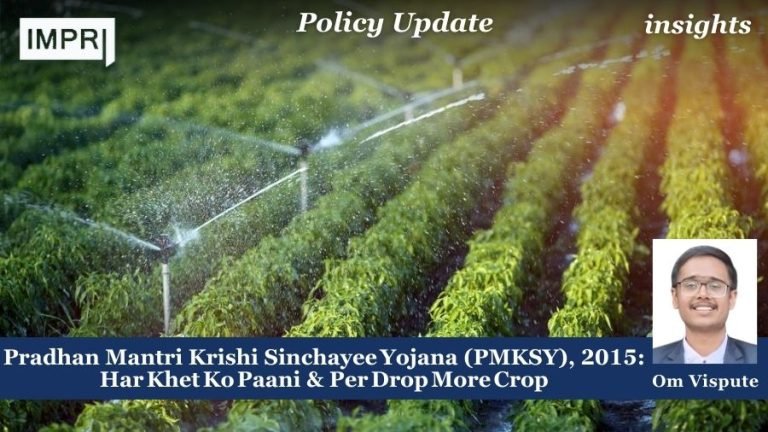
Pradhan Mantri Krishi Sinchayee Yojana (PMKSY), a major central government project, was introduced on July 1, 2015, with the goal of encouraging water-efficient farming in India and guaranteeing irrigation for all cultivable plots. With the slogans "Har Ket Ko Paani" (water for every field) and "Per Drop More Crop," the program offers a comprehensive framework for increasing irrigation coverage, cutting down on water waste, and boosting agricultural output using cutting-edge micro-irrigation technologies.
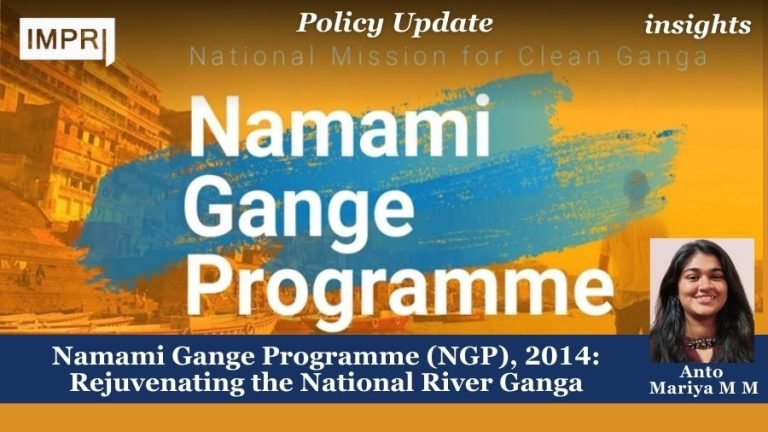
The Ganga River is revered as a sacred river by most Indians. It is considered to be the lifeline of India, supporting more than 40% of India’s population. Thus, the health of the river is hugely significant for the whole nation. Taking it into consideration, the Government of India launched an integrated conservation mission for restoring the National River in 2014-15, known as the Namami Gange Programme (NGP).
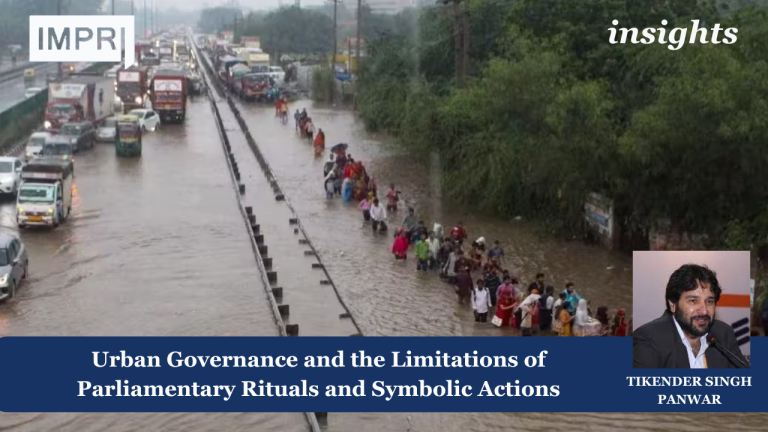
On July 9, 2025, Gurugram – a city waterlogged by floodwaters – witnessed severe inundation that crippled traffic and claimed lives. In the days that followed, other major cities such as Delhi, Chandigarh, Jaipur, and Lucknow faced similar scenes of urban flooding, exposing the vulnerability of Indian cities to monsoon extremes.
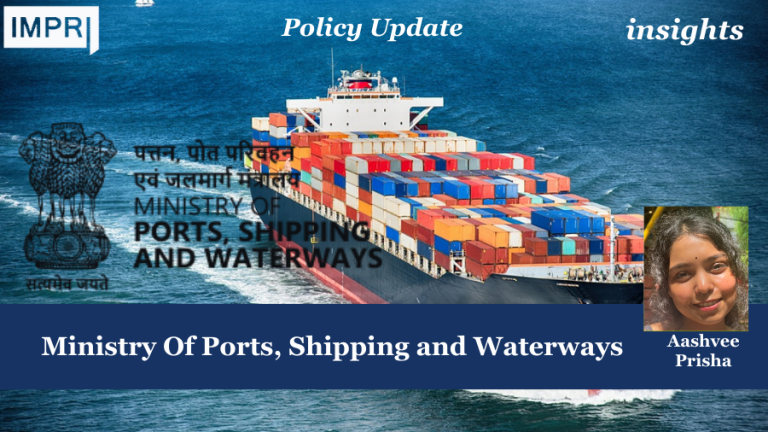
The Ministry of Ports, Shipping and Waterways (MoPSW) was created by renaming and expanding the former Ministry of Shipping in November 2020.1 Prime Minister Narendra Modi noted this change brings “clarity in name, and more clarity in work” by explicitly including Ports and Waterways alongside Shipping
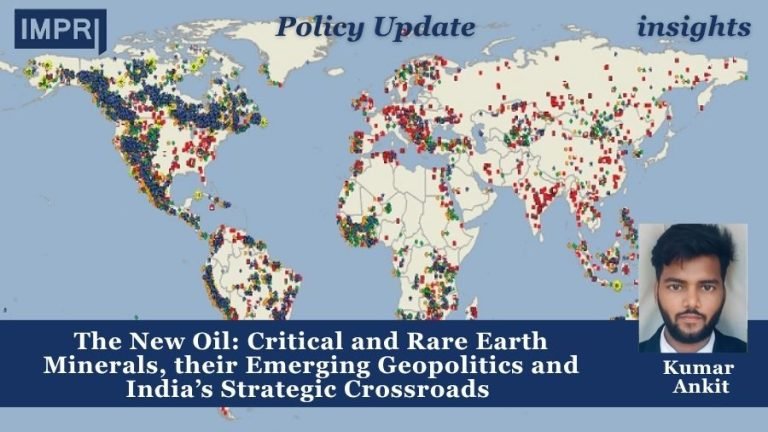
Critical minerals, from lithium and cobalt to rare earth elements, have become linchpins of the modern economy. They are the new oil of the twenty-first century for electric vehicles, semiconductors, solar panels, wind turbines, and advanced batteries and are critical for not only clean energy but also medical, defence, and aerospace. Critical minerals are also crucial for developing the digital and the green economy. But what are critical minerals exactly?
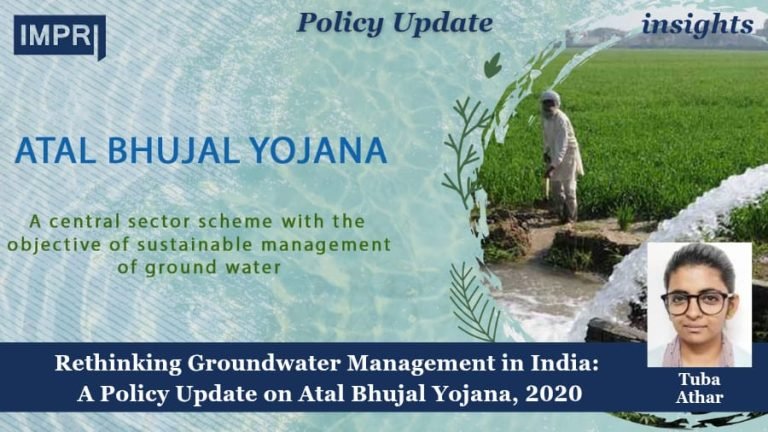
Groundwater is a significant source of freshwater and is crucial for domestic, agricultural, and industrial purposes. However, unchecked extraction, overexploitation, and contamination pose serious threats to its sustainability