Category Thematic Areas

1 1

From Reproductive Rights to Global Responsibility: Why India’s Feminist Foreign Policy Must Center Women’s Bodily Autonomy

The term “Feminist Foreign Policy” (FFP) is frequently discussed in various global capitals.
While countries such as Sweden, Canada, and Germany have adopted it, the discourse often
centers on issues like representation, aid, and trade. However, for FFP to be genuinely
transformative—particularly for an emerging global power like India—it needs to address a
fundamental issue: bodily autonomy.


2

Fixing the Future: How a Feminist Just Transition Can Deliver Real Climate Solutions

The global imperative to transition from fossil fuels to sustainable energy sources has never been more urgent. Driven by escalating climate change impacts and the inherent volatility of fossil fuel markets, countries worldwide are re-evaluating their energy strategies pushing for more renewable energy into the energy mix.

5

Can Feminist Foreign Policy Truly Transform Global Power? Or Is It Reproducing the Same Old Inequalities?

Over the last two decades, ideas from feminist philosophy have slowly made their way into global politics. Governments worldwide now speak of Feminist Foreign Policy (FFP), and the United Nations promotes its Women, Peace and Security (WPS) agenda.

IMG 0212

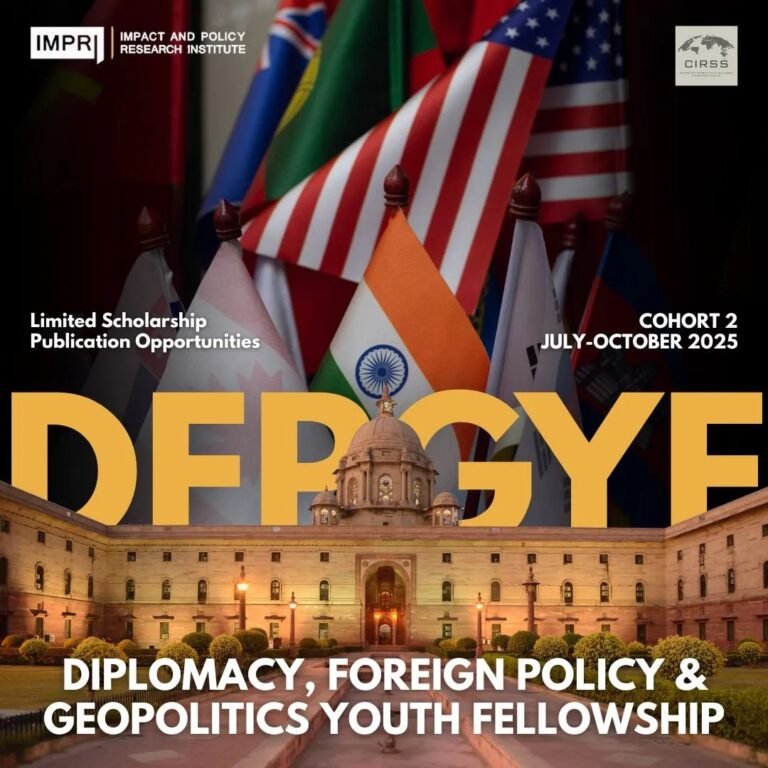
DFPGYF Diplomacy, Foreign Policy & Geopolitics Youth Fellowship- Cohort 2.0.

DFPGYF Diplomacy, Foreign Policy & Geopolitics Youth Fellowship- Cohort 2.0 | An Online International Autumn School Program | A Four-Month Immersive Online Introductory Leadership Certificate Training Fellowship Program | July-October 2025 | IMPRI

3

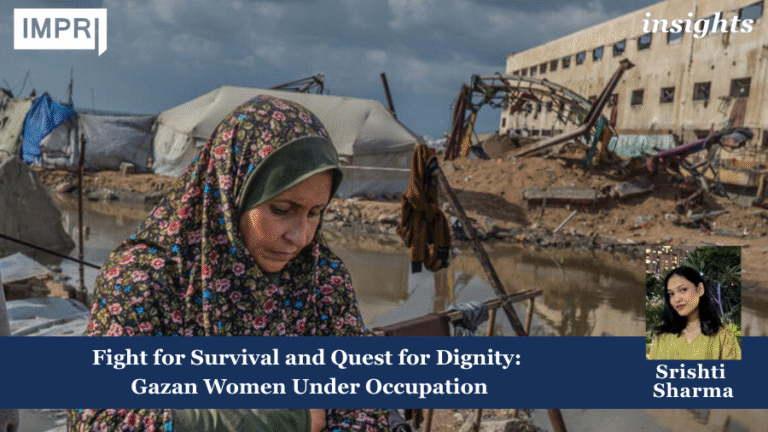
Fight for Survival and Quest for Dignity: Gazan Women Under Occupation

The heart-wrenching pictures of the amusement park in Khan Younis capture a devastating
contrast, where vibrant echoes of children’s laughter are replaced by screams of horror, a grim depiction of how Israeli bombardment has left Palestine, particularly Gaza, in ruins.

Talk to Us