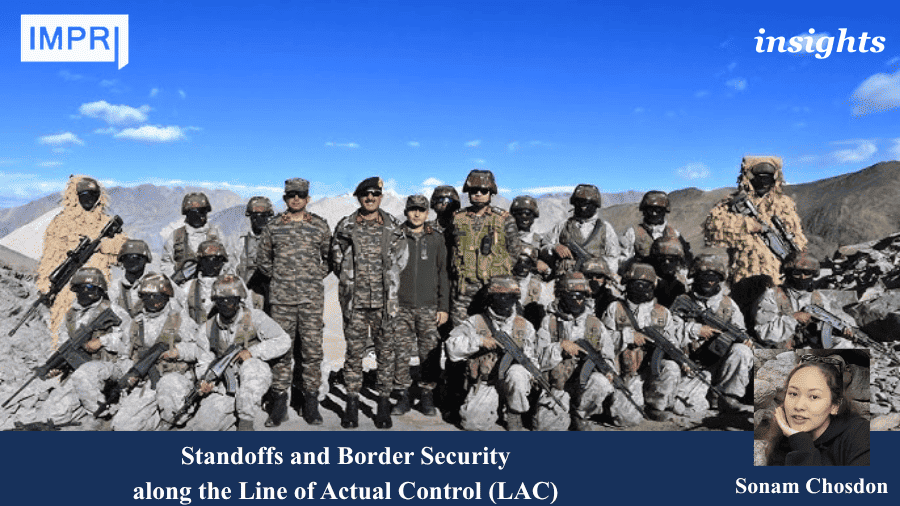
Standoffs and Border Security along the Line of Actual Control (LAC)
Sonam Chosdon The two giant powers of Asia, India and China, have a long standing contentious relations. Both countries are attempting to balance the status quo through negotiation
Sonam Chosdon The two giant powers of Asia, India and China, have a long standing contentious relations. Both countries are attempting to balance the status quo through negotiation
Tarushi Parihar India is home to the world’s largest youth population, with over 350 million people aged between 15 and 29. India’s “demographic dividend” has often been ce
Launched by the Prime Minister in October 2016, the National SC-ST Hub (NSSH) was established to foster an ecosystem that supports SC/ST entrepreneurs in fulfilling the mandates of
Niranjan Krishna Kumar For decades, global policy-making has operated on a “break-fix” model. Technologies were released, industries were deregulated, and governments i
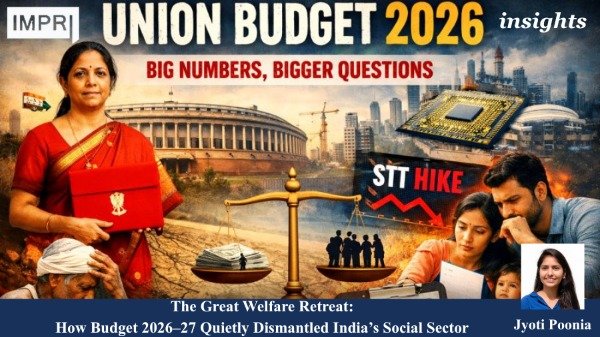
Jyoti Poonia New data and political developments since February reveal the deepening stakes behind the replacement of MGNREGA, cuts to health and environment, and the reduction in
DBT/Wellcome Trust India Alliance, known as India Alliance, is a key public charity advancing biomedical research in India through fellowships and capacity building. This policy up
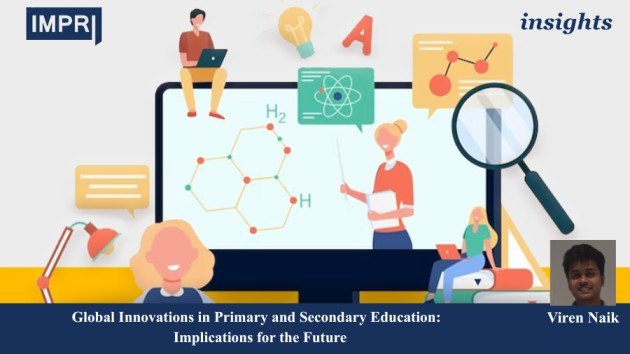
Viren Naik Education is still the foundation of social progress, but traditional methods that rely on memorization, standardized testing, and rigid systems are no longer enough for
TK Arun Trump lied about everything—inflation, jobs, economic growth, tariffs, immigration, and Democrats’ disposition towards the US—in his State of the Union speech. At a c
T K Arun AI will enable new human activity not imagined hitherto, to realise that potential, education must train young minds to develop critical thinking and imagination Israel ha