Asia’s Rising Soft Power: Influence, Identity & International Impact
In the 21st century, a country’s economic standing or its military might is not the only factor determining its international influence and standing.

In the 21st century, a country’s economic standing or its military might is not the only factor determining its international influence and standing.

The Union Budget for 2025–2026 introduced the Nuclear Energy Mission under the Viksit Bharat program. This marks a crucial step toward diversifying India’s energy portfolio and strengthening its long-term energy resilience. At its core, the mission aims to significantly scale up the role of nuclear energy in the country’s energy mix, both to reduce dependence on fossil fuels and to provide a stable foundation for future growth.

Indian agriculture has long been centered around a few staple crops, primarily rice and wheat. While this heavy focus was very helpful after the Green Revolution in ensuring food security, with time it has also created many problems such as overuse of groundwater, soil exhaustion, and limited income growth for farmers.
India- Africa cooperation has long emphasised development through technology and capacity-building. India’s Digital Public Infrastructure (DPI)- the interoperable building blocks of digital identity, payments and data platforms- has been central to its Digital India transformation.
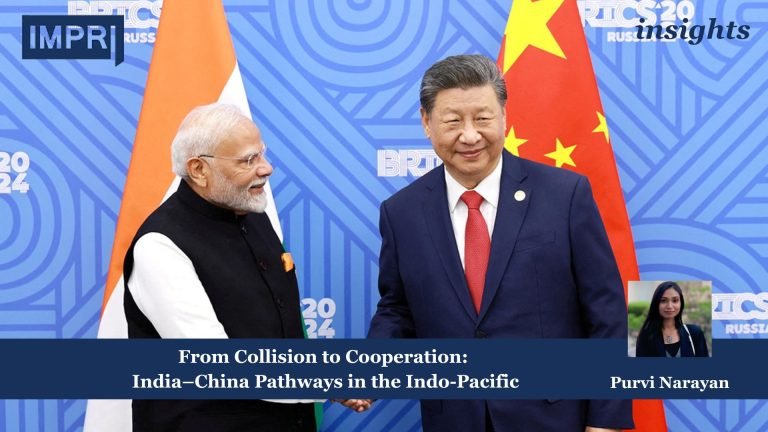
The Indo-Pacific has emerged as the world’s most consequential geopolitical arena, where the interplay of rivalry and cooperation between India and China will, to a large extent, shape the region’s future.
India's maritime geography and economic needs make it a global leader of an emerging blue economy that encompasses fisheries, renewable energy, sustainable shipping, biotechnology, and coastal tourism. The blue economy contributes nearly 4% of India's GDP. With more than 95% of India's trade (by volume) carried through sea routes, maritime sustainability is critical to India’s national interests.”
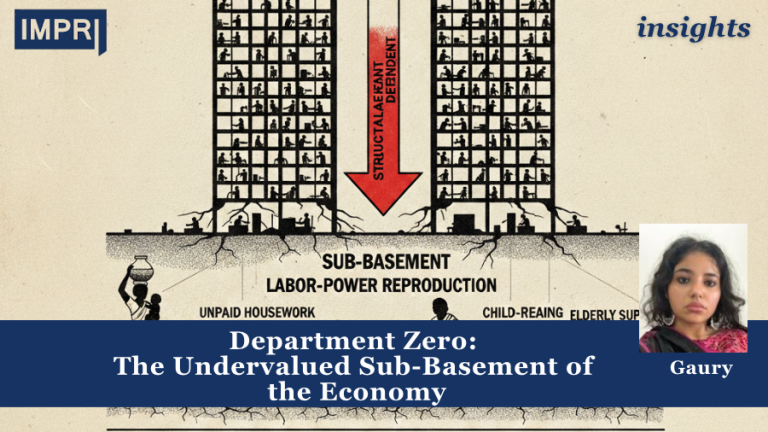
They switch the lights on before sunrise. Long before the market registers productivity, women — especially lower-class women — do the invisible work that makes that productivity possible: raising children, preparing food, cleaning, nursing, walking miles for water, looking after elderly relatives, and often working for wages in other people's homes.