Category Policy Briefs

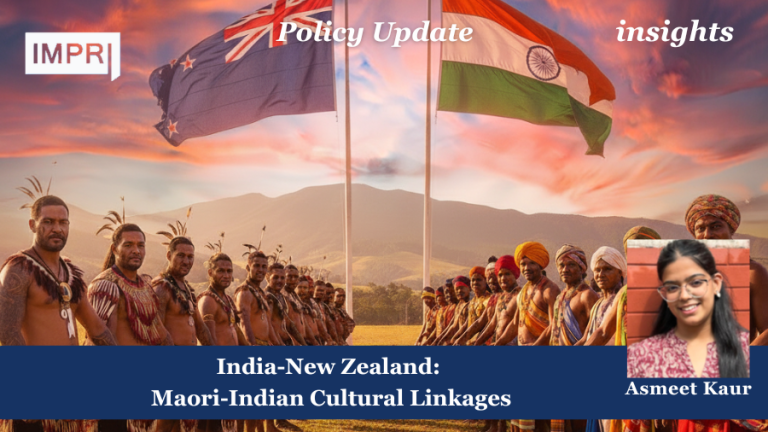
India-New Zealand: Māori-Indian Cultural Linkages

India-New Zealand: Māori-Indian Cultural Linkages

Policy UpdateAsmeet Kaur Background The cultural relationship of India and Aotearoa New Zealand is an important aspect of transnational engagement in the South Pacific. The interaction between Māori communities and the Indian diaspora represents a deeper cultural exchange that rooted…

Co-Creating Care: India’s PCOS Discourse, Policy Neglect, and a Roadmap to Participatory Solutions

Polycystic Ovary Syndrome (PCOS) impacts countless women in India, yet our understanding often remains trapped in clinical jargon. This is more than just a medical condition; it is a socially constructed illness and lived experience deeply intertwined with our deep-rooted societal expectations, structural inequalities shaped by caste, class, and gender, and policy shortcomings. Despite its prevalence, existing research predominantly emphasizes biomedical and clinical dimensions, neglecting subjective narratives and sociocultural contexts.

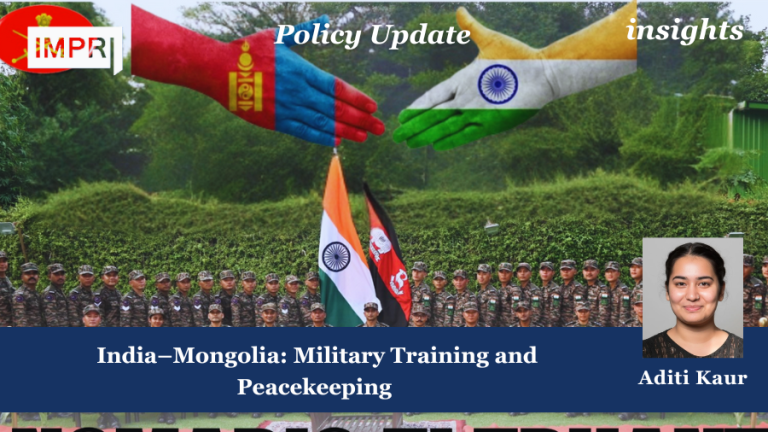
India-Mongolia: Military training and peacekeeping

India–Mongolia: Military Training and Peacekeeping 

Policy UpdateAditi Kaur Background India and Mongolia have cultivated a Strategic Partnership since 2015, built on centuries-old cultural ties (notably Buddhism) and shared democratic values. Diplomatic relations date to 1955, and in 2015 Prime Minister Modi’s historic visit elevated ties…

PU insights poster 14

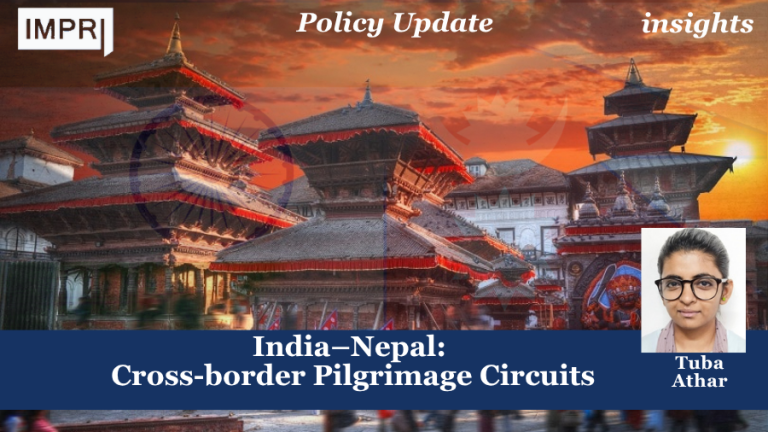
India–Nepal: Cross-border Pilgrimage Circuits

Nepal and India have deep cultural, social, and religious ties and have a unique and resilient connection. Tourism is a vital economic driver for both India and Nepal. According to the World Travel & Tourism Council (WTTC), tourism contributes over 9% to India’s GDP and provides employment to millions.

PU insights poster 13

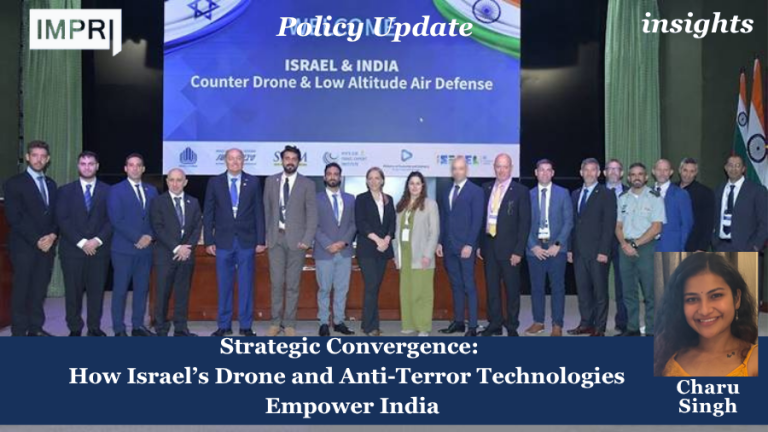
Strategic Convergence: How Israel’s Drone and Anti-Terror Technologies Empower India

As India is trying to advance its security and technological self-reliance, India-Israel cooperation in anti-terror and drone technology is deepening. These relations formally go back to the 1990s, when diplomatic and defence relations between India and Israel began growing steadily.

Copy of Insights 6

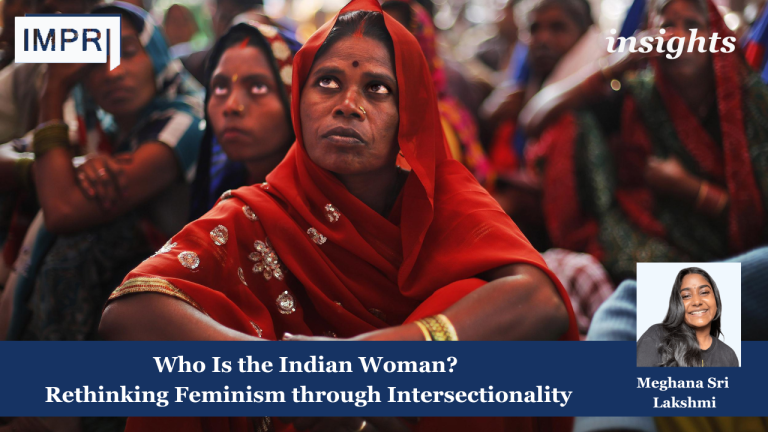
Who Is the Indian Woman? Rethinking Feminism through Intersectionality

The Indian Constitution enshrines a solemn promise of equality and non-discrimination in Articles 14 and 15, committing the nation to protect citizens equally before the law. Yet, feminist legal reforms in India often assume a uniform category of “women,” treating their experiences and needs as largely homogeneous.

India-Malaysia: Palm oil diplomacy and green initiatives

India-Malaysia: Palm Oil Diplomacy and Green Initiatives

Often referred to as the liquid gold of Southeast Asia, palm oil has blossomed into one of the most important commodities globally driving the economic and diplomatic relationships between India and Malaysia. Palm oil is more than just a cooking oil: it is a marker of global interdependence, of food security and environmental stewardship. There has been, for decades, a complex relationship based on India’s growing demand for edible oil as Malaysia became an important supplier.

Talk to Us