Category Society, Literature, Arts, Sports and Culture

Museums

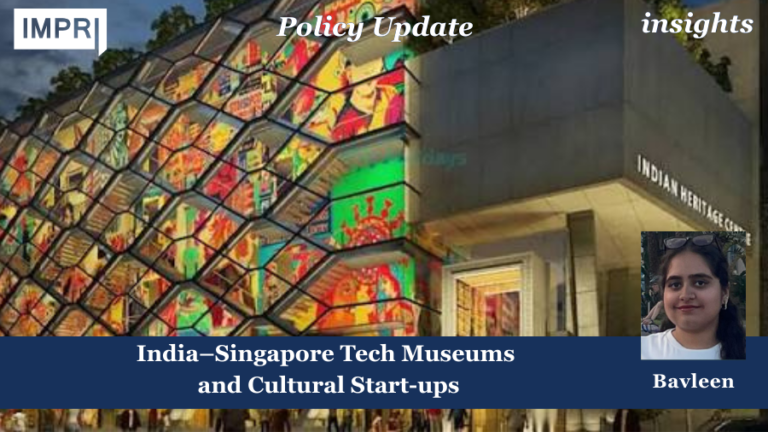
India–Singapore Tech Museums and Cultural Start-ups

The India–Singapore relationship has transcended traditional bilateralism, entering a sophisticated era of Innovation Diplomacy. Since the 2015 Strategic Partnership, the focus has shifted toward the "Creative Economy." In 2025, the synergy between Singapore’s advanced digital infrastructure and India’s vast cultural repository has positioned tech-enabled museums and cultural start-ups as pivotal instruments of soft power.
116 1

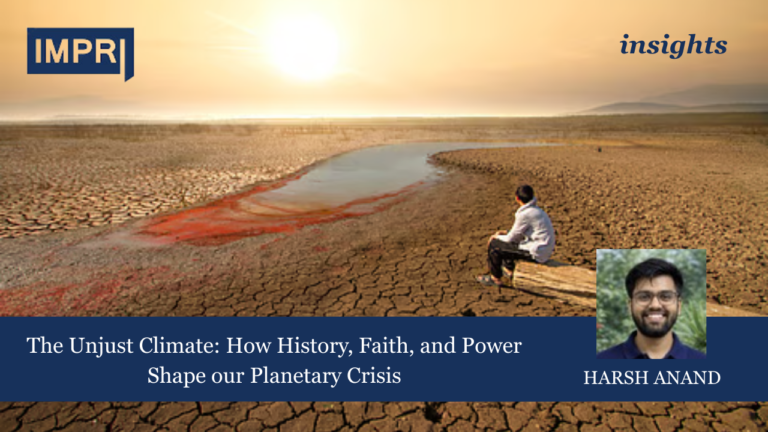
The Unjust Climate: How History, Faith, and Power Shape our Planetary Crisis

The climate crisis, often framed as a purely scientific or technological challenge, is in reality a deeply entangled web of social, political, ethical, and historical issues. While global temperatures continue to rise, threatening ecosystems and human livelihoods, a critical paradox persists: those who have contributed least to the problem often bear its heaviest burdens.

Legacy

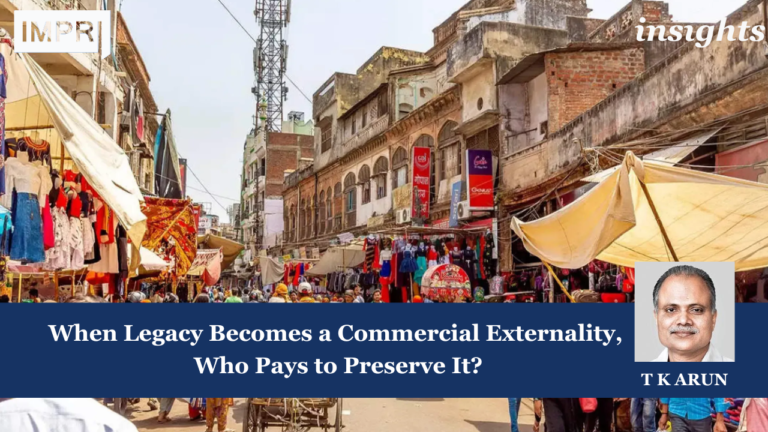
When Legacy Becomes a Commercial Externality, Who Pays to Preserve It?

TK Arun As Annapurna Bhandar of Chandini Chowk faces closure, can Indian cities take a cue from Paris or San Francisco to protect legacy shops? When a sudden rent increase forces a thriving commercial establishment — that has a century-old…

Healthcare

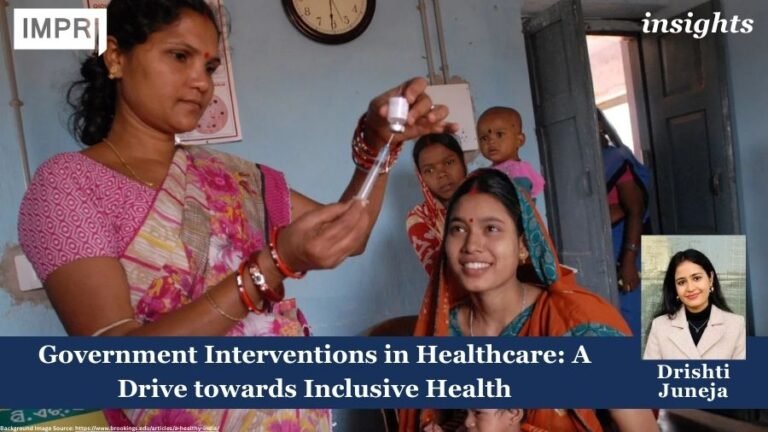
Government Interventions in Healthcare: A Drive towards Inclusive Health

Healthcare is one of the most fundamental and crucial industries of the economy of any country, including ours. However, it is confronted by a huge problem. Its markets don't offer an equitable and efficient distribution of resources. This inefficiency is a critical concern for public policy. The healthcare sector represents an example of "market failure" where allocation of resources is inefficient.

PU posting 2.0 nanditha blog

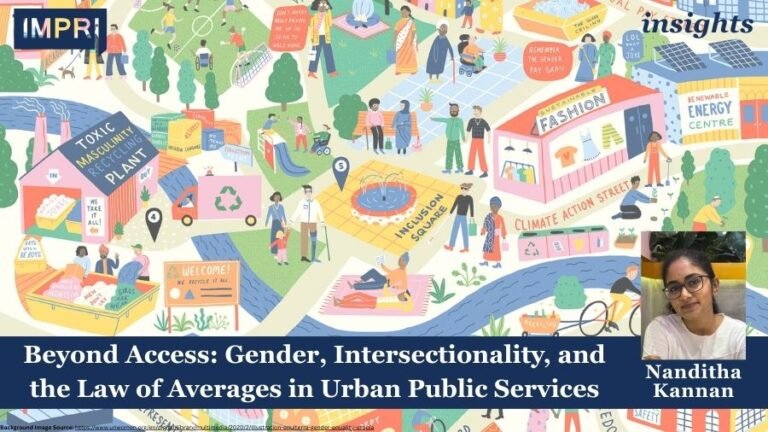
Beyond Access: Gender, Intersectionality, and the Law of Averages in Urban Public Services

Indian cities are often celebrated as engines of growth and opportunity, driven by expanding infrastructure and ambitious urban development projects. However, it can be noticed that access to public spaces and essential services is not experienced uniformly across social groups in such urban dwellings. This article reflects on a research journey that examines gendered inequalities in urban public spaces and services.

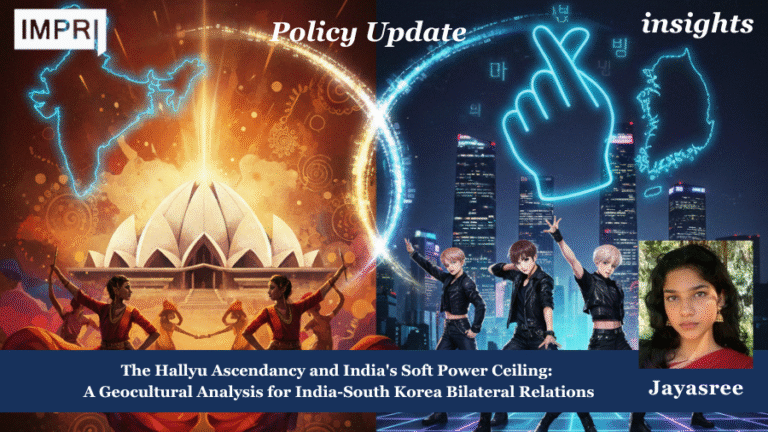
The Hallyu Ascendancy and India's Soft Power Ceiling: A Geocultural Analysis for India-South Korea Bilateral Relations

The Hallyu Ascendancy and India’s Soft Power Ceiling: A Geocultural Analysis for India-South Korea Bilateral Relations

The Korean wave, etymologically known as the hallyu, refers to the soft power of the Korean popular culture that originated in Southeast Asia, first in mainland China and eventually spreading across Asia in the late 1990s. The transnational cultural influence of the K-wave in the postmodern era is one of a kind due to the decisive yet dominant nature of ‘compressed modernity’. South Korea experienced a century's worth of economic growth-led cultural influence within the span of a few decades. The phenomenon of ‘Miracle on the Han River’ transformed a war-ravaged South Korea that was one of the 25 poorest countries in the world in the 1960s into an advanced economy built on technology and innovation, with the help of the International Development Association of the World Bank. 

Talk to Us