Digital India Awards
Digital India Awards honour innovative digital governance initiatives.
They promote inclusion, transparency, and citizen empowerment.
Digital India Awards honour innovative digital governance initiatives.
They promote inclusion, transparency, and citizen empowerment.

Groundwater is a significant source of freshwater and is crucial for domestic, agricultural, and industrial purposes. However, unchecked extraction, overexploitation, and contamination pose serious threats to its sustainability
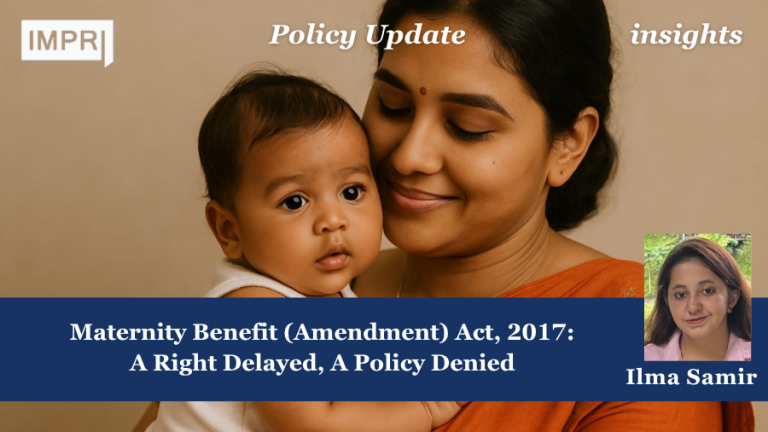
The Maternity Benefit (Amendment) Act, 2017 has been a significant milestone in India’s Labor welfare framework, especially for the women working in the formal sector. In order to amend the already existing 1961 legislation, the Act extends paid maternity leave from 12 to 26 weeks for women with less than two surviving children.
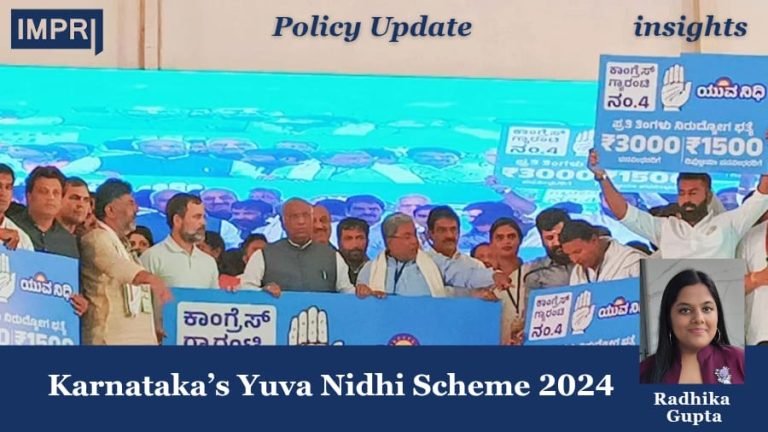
India has the largest youth population in the world, with approximately forty percent of the global youth present in the country. This is often referred to as a ‘youth bulge’, which helps a country foster economic growth and innovation through the efforts of a young workforce. However, it also leads to high competition for resources and opportunities.
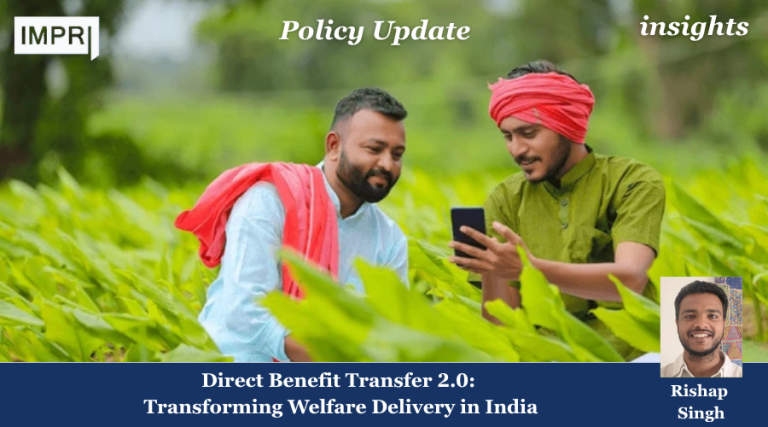
India's Direct Benefit Transfer (DBT) system marks a transformative step in public service delivery. It aims to fundamentally reshape how welfare benefits reach citizens. Introduced about a decade ago, DBT was designed to directly credit government subsidies into the bank or postal accounts of accurately identified beneficiaries. The system's core innovation lies in the JAM trinity—Jan Dhan bank accounts, Aadhaar unique IDs, and mobile phones—which enabled massive-scale, targeted, and transparent transfers.
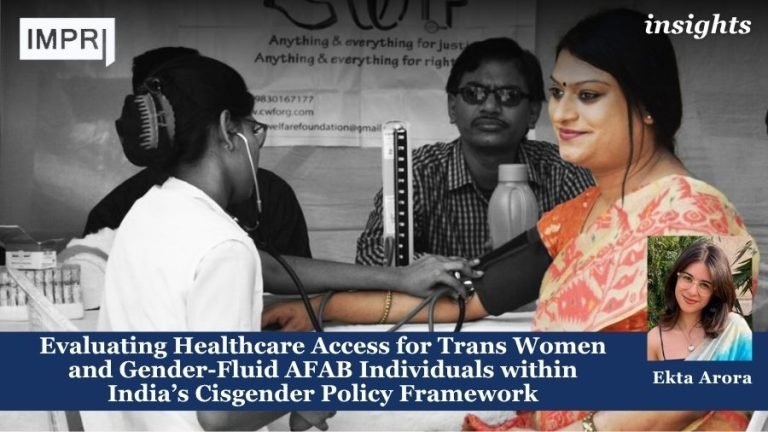
The term “transgender” is used to describe individuals whose innate sense of one’s gender, expression, or behaviour is not in alignment with the sociocultural expectations emerging from the gender assigned to them at birth, legally and medically. [1] The term “AFAB” is an acronym meaning “Assigned Female at Birth"; it describes individuals who were assigned female at birth based on certain characteristics of their bodies at birth.
The Assistance to Scheduled Castes Development Corporations (SCDCs) scheme is a cornerstone of India’s affirmative action and financial inclusion strategy.