Category Environment, Energy, Climate Change and Sustainable Development

Air

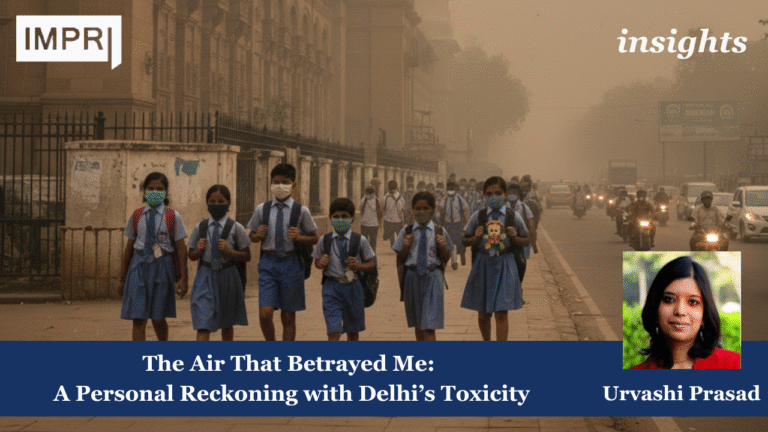
The Air That Betrayed Me: A Personal Reckoning with Delhi’s Toxicity

November is Lung Cancer Awareness Month. Across the US and Europe, white ribbons mark solidarity with patients, caregivers, advocates and doctors. In India, silence reigns, even though 93 of the world’s 100 most polluted cities are here, and here, lung cancer is rising alarmingly among non-smokers, especially young women.

Nearly one in three lung cancer patients in India today has never smoked, and doctors are seeing women in their late 20s and 30s being diagnosed with advanced disease.

This is not a smoker’s disease anymore — it is a breather’s disease, driven by toxic air and environmental exposures.
Tourism

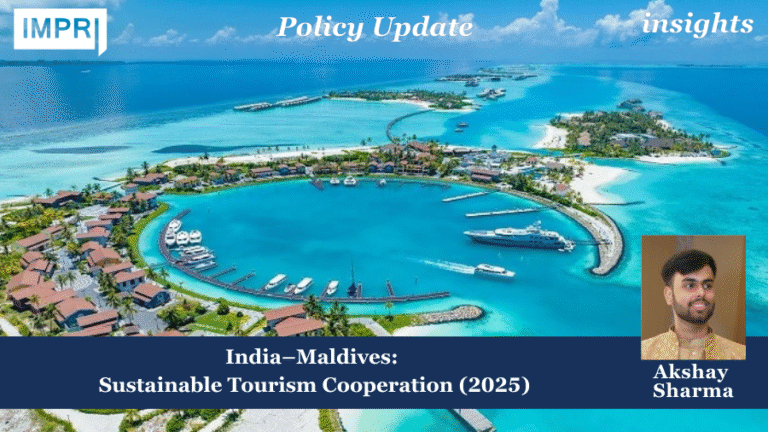
India–Maldives: Sustainable Tourism Cooperation (2025)

The Republic of Maldives, located on the Indian subcontinent, consists of 1,190 coral islands grouped into 26 natural atolls. Following the Maldives' independence in 1965, India was one of the first countries to recognise and establish diplomatic relations with them. India and the Maldives have had long-standing ethnic, linguistic, cultural, religious, and economic links. Physical proximity, cultural links, and development collaboration have all contributed to the two countries' close, friendly, and diverse relationship.

In Small Island Developing States (SIDS) such as the Maldives, where tourism is the principal source of foreign exchange profits and government revenue, the business is growing.

Energy

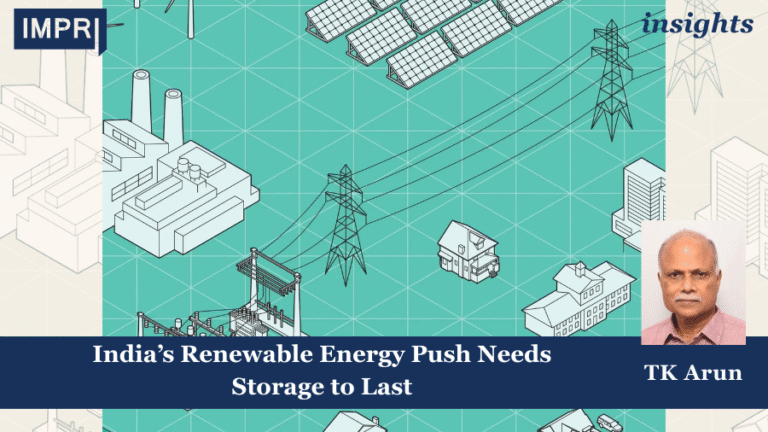
India’s Renewable Energy Push Needs Storage to Last

India continues to add renewable power generation capacity without any coherent strategy for its full utilisation, often ordering RE generation to back down to maintain grid stability. A vital deficit is a policy for storing renewable power, which is intermittent and missing from action for much of the day, forcing reliance on thermal power as India's mainstay.

world

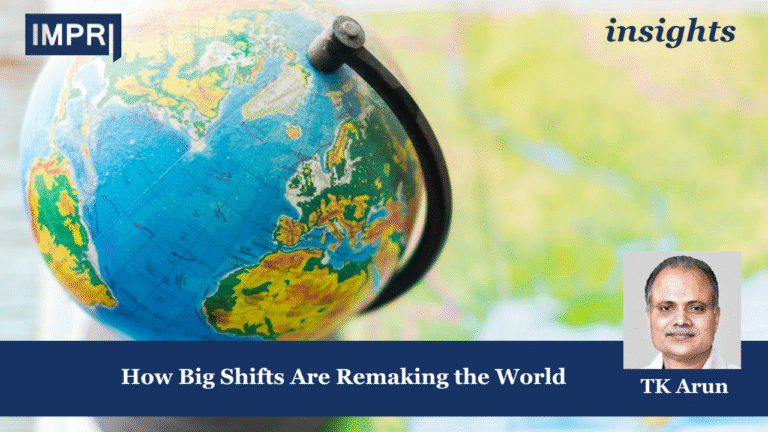
How Big Shifts Are Remaking the World

A remarkable feature of the world in the wake of President Trump’s assault on the global trading and security system is the resilience of global interdependence.

Delhi

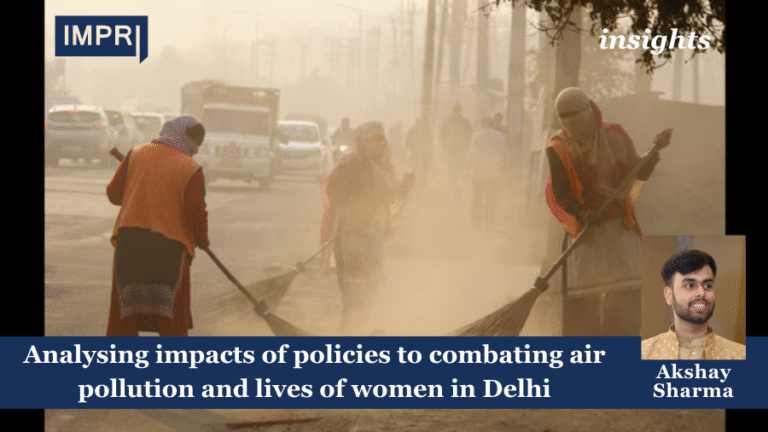
Analysing impacts of policies to combating air pollution and lives of women in Delhi

Delhi has become a centre of controversy and politics for the continuously rising and persisting levels of high AQI. Rising vehicular emission, industrial expansion, burning of stubble, etc. remains to be the prime suspected reason for this. States keep blaming each other for transmitting it with lesser stricter action against polluters.

Energy

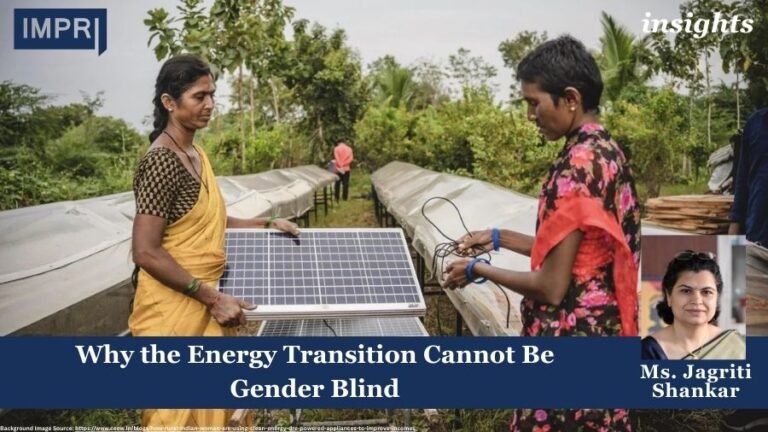
Why the Energy Transition Cannot Be Gender Blind

Policies are often described as gender neutral. In reality, they are rarely neutral. Women, men, and different social groups experience policies differently because they do not have equal access to resources, opportunities, or decision-making power. Social norms, unequal asset ownership, unpaid care responsibilities, mobility constraints, access to finance, education, and institutional power all shape how people engage with public programs.

Digital

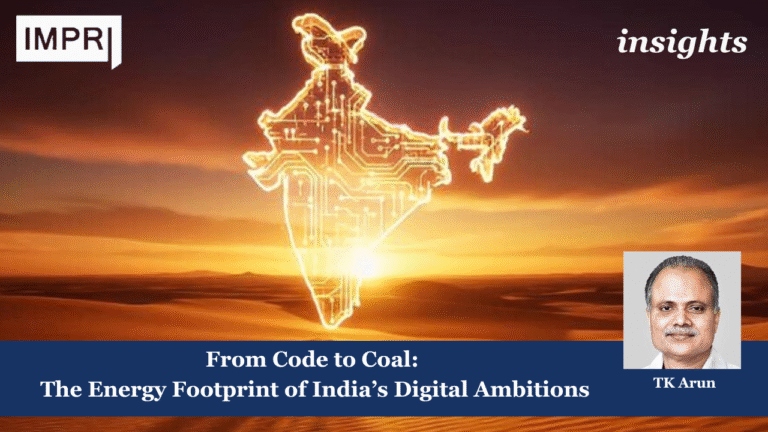
From Code to Coal: The Energy Footprint of India’s Digital Ambitions

If winter comes, can spring be far behind? Given the 23.5 degree tilt of the earth’s axis, which produces the seasons during the course of the planet’s steady rotation around the sun, such poetic expectation of inevitable good tidings is pretty realistic. But the hope that if you build giant data centres, a boom in artificial intelligence capability and its applications would follow rests on shakier ground.