Category Gender, Pluralism and Social Inclusion

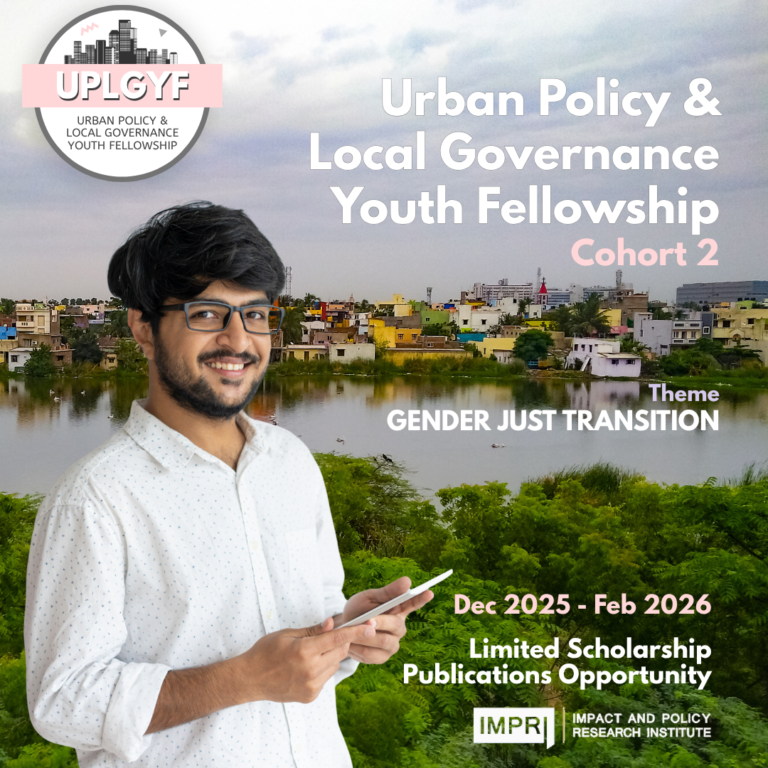
Urban Policy & Local Governance Youth Fellowship (UPLGYF) – Cohort 2.0

Fellows blog list & Details: UPLGYF Urban Policy & Local Governance Youth Fellowship- Cohort 2.0

UPLGYF Urban Policy & Local Governance Youth Fellowship Cohort 2.0 | An Online International Summer School Program | A Three-Month Online Immersive Introductory Leadership Certificate Training Fellowship Program | Dec 2025 – Feb 2026 | IMPRI #WebPolicyLearning Program Details Field Details Program Name UPLGYF…
Scholarship

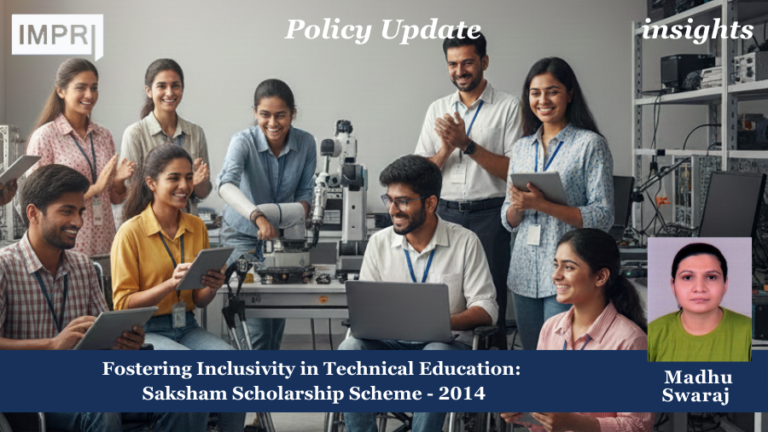
Fostering Inclusivity in Technical Education: Saksham Scholarship Scheme (2014)

The Saksham Scholarship Scheme is a significant initiative by the Government of India, aimed at providing financial support and encouragement to specially-abled students to pursue technical education. The scheme was officially launched in the academic year 2014-15. It was introduced under the then Ministry of Human Resource Development (MHRD), which has since been renamed the Ministry of Education. The All India Council for Technical Education (AICTE), the statutory body for technical education in the country, was tasked with implementing and managing the scheme.

unions

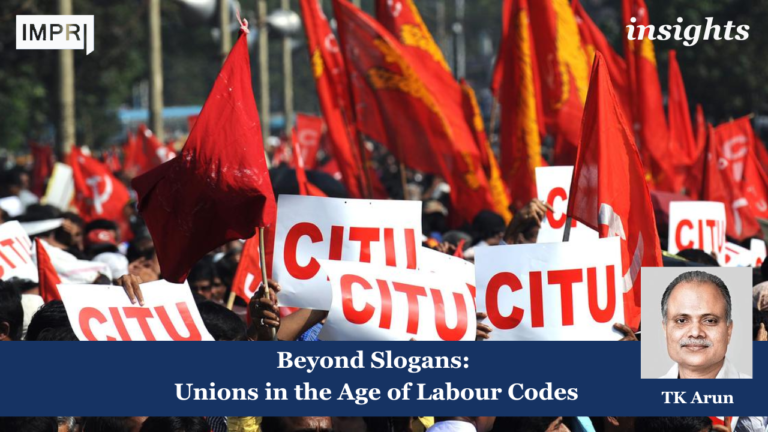
Beyond Slogans: Unions in the Age of Labour Codes

TK Arun Work within parameters of globalised growth, instead of ranting and raving against it. The four labour codes long in the making have finally been notified. The good thing is that a legal framework now exists for a company…

117 1

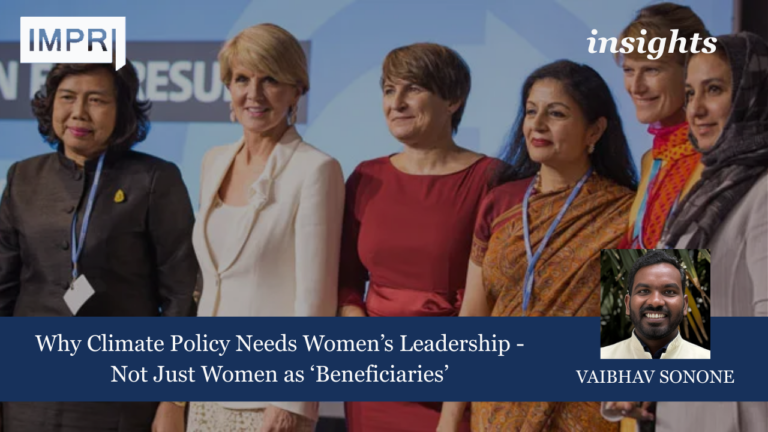
Why Climate Policy Needs Women’s Leadership – Not Just Women as ‘Beneficiaries’

Across India, climate and livelihood policies increasingly recognize women, but largely as vulnerable groups or beneficiaries. Women are visible in policy documents, State  Action Plans on Climate Change, watershed programmes, and rural livelihood missions as recipients of  support or participants in implementation. While this recognition is important, it reflects a limited framing  of women’s role in climate adaptation. So, a question arises- why is women’s leadership missing at grassroot?

governance

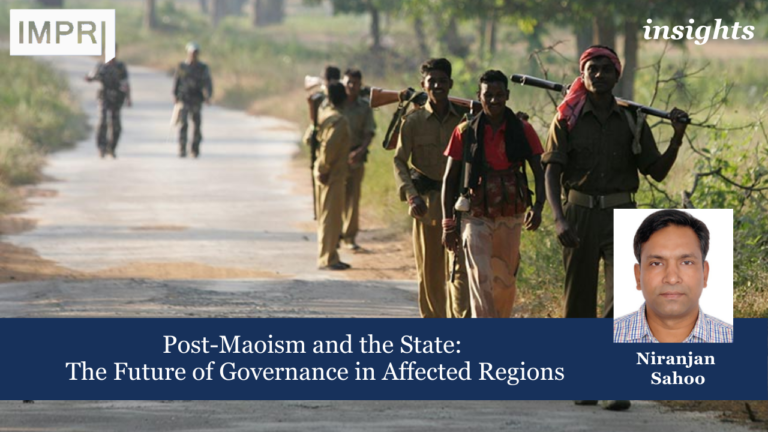
Post-Maoism and the State: The Future of Governance in Affected Regions

Niranjan Sahoo India’s Fifth Schedule areas became the hotbed of Maoist insurgencies due to administrative neglect, exacerbating discontent and a lack of representation of tribal groups in local bodies. Effective governance is crucial to address these issues and mitigate the…

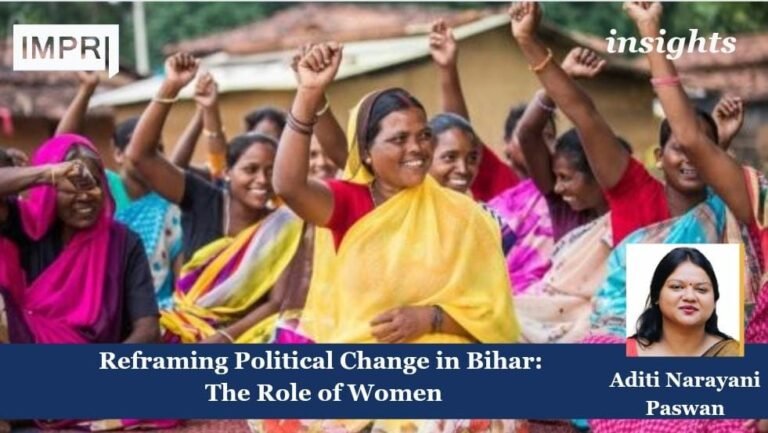
Reframing Political Change in Bihar: The role of Women

Reframing Political Change in Bihar: The role of Women

Women’s active participation in Bihar’s electoral process is a crucial indicator of a deepening democracy. This engagement disrupts traditional gender hierarchies by promoting a fairer distribution of political power and symbolising the expansion of substantive citizenship for women.

HIV

Beyond the Red Ribbon: Humanizing the Future of HIV Care in India

When India diagnosed its first case of HIV in 1987, it was met with silence, fear, and judgment. The virus was poorly understood, and those living with it were often treated as outcasts -denied care, employment, or even the dignity of empathy. Hospitals hesitated to admit them, schools refused their children, and neighbours withdrew in fear. It was a time when HIV was not just a virus — it was a social sentence.

Talk to Us