
Category Social Sector

HIV

Beyond the Red Ribbon: Humanizing the Future of HIV Care in India

When India diagnosed its first case of HIV in 1987, it was met with silence, fear, and judgment. The virus was poorly understood, and those living with it were often treated as outcasts -denied care, employment, or even the dignity of empathy. Hospitals hesitated to admit them, schools refused their children, and neighbours withdrew in fear. It was a time when HIV was not just a virus — it was a social sentence.

Cancer

Expanding the Definition: The Case for Recognizing Cancer-Related Disabilities in India

India is witnessing a troubling paradox. Advances in diagnosis and treatment mean that more people are surviving cancer than ever before. Yet the very systems that should protect these patients and survivors are failing to recognise the lasting impact of cancer on their lives.

Copy of Insights 1

From Relief to Reform to Resilience: Assessing PM-SVANidhi’s Policy Trajectory

When we speak of successful government initiatives of the past decade, popular missions like the Swachh Bharat Mission (SBM) usually dominates the conversation. Yet, quietly, another programme has been impacting the lives of the millions of India’s urban street vendors, who sustain the everyday economy of Indian cities.

Legacy

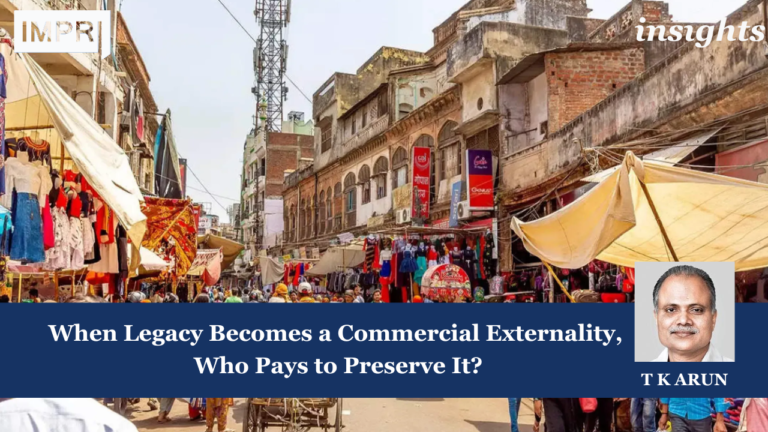
When Legacy Becomes a Commercial Externality, Who Pays to Preserve It?

TK Arun As Annapurna Bhandar of Chandini Chowk faces closure, can Indian cities take a cue from Paris or San Francisco to protect legacy shops? When a sudden rent increase forces a thriving commercial establishment — that has a century-old…

Tribal

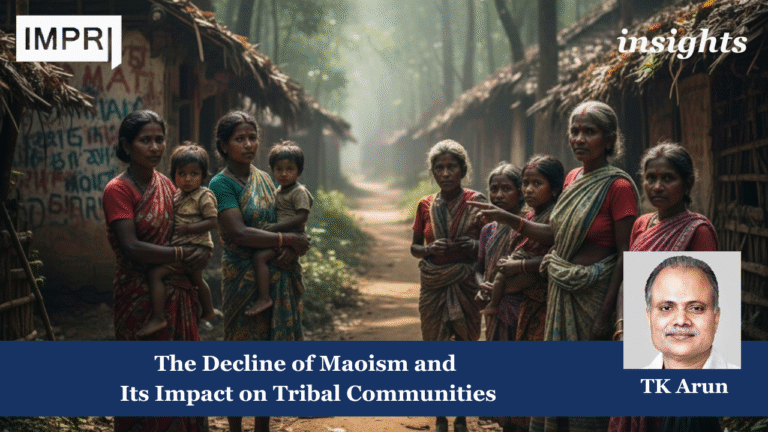
The Decline of Maoism and Its Impact on Tribal Communities

The Maoists might have been looking after their own interests more than those of the tribal people, and hindering State efforts to extend the scope of governance and development to their habitats, but they also raised a voice of protest against acts of injustice against the tribals.

Energy

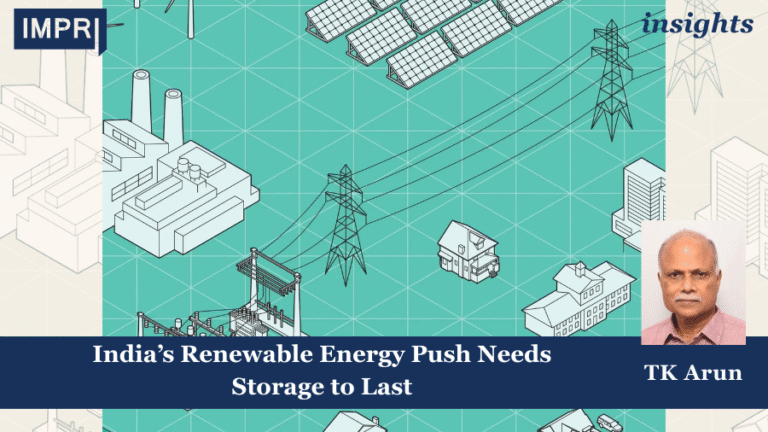
India’s Renewable Energy Push Needs Storage to Last

India continues to add renewable power generation capacity without any coherent strategy for its full utilisation, often ordering RE generation to back down to maintain grid stability. A vital deficit is a policy for storing renewable power, which is intermittent and missing from action for much of the day, forcing reliance on thermal power as India's mainstay.

Airports

How to and How Not to Privatise Airports

Airports are local monopolies, for the most part. Who gets to operate them and on what terms matter to the public at large. Sure, there is a regulator, the Aeronautic Economic Regulatory Authority of India to regulate aeronautical and other charges at any given airport.

Talk to Us