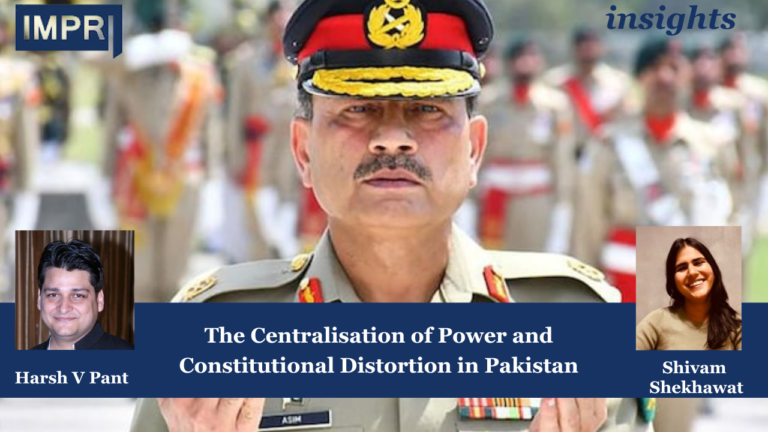
Centralisation of Power and Constitutional Distortion in Pakistan
ON NOVEMBER 13, the president of Pakistan, Asif Ali Zardari, signed into law, the 27th amendment to the country’s constitution
ON NOVEMBER 13, the president of Pakistan, Asif Ali Zardari, signed into law, the 27th amendment to the country’s constitution
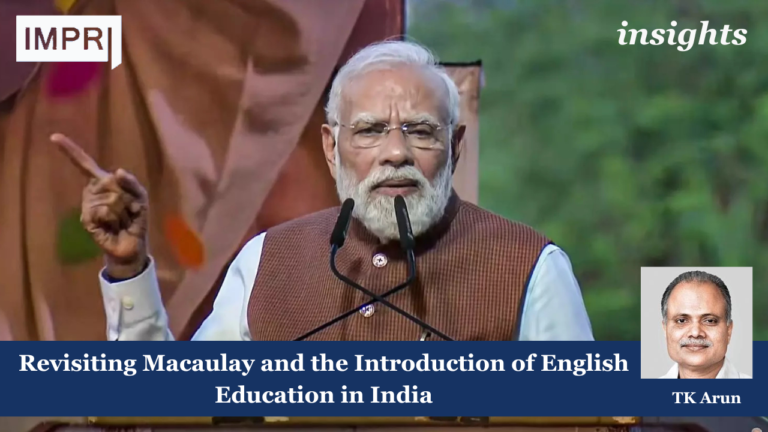
Prime Minister Narendra Modi gets it wrong on Macaulay. Give the devil his due. His introduction of English language education in India is one of the good thingS colonialism did for India.
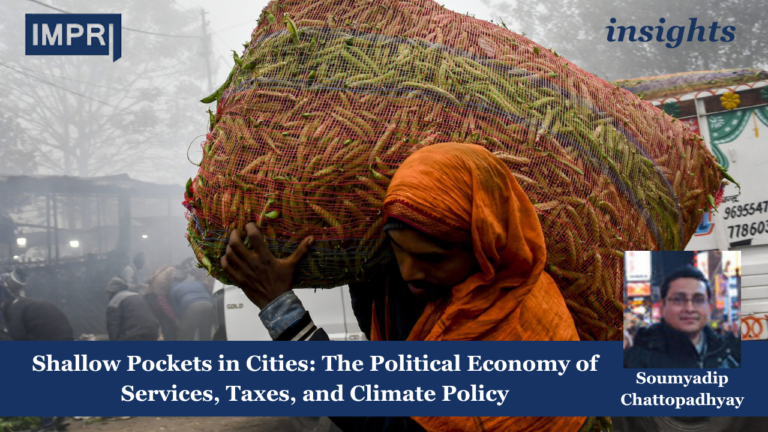
With increased urbanisation and intensification of climate risks, Indian cities face an unprecedented challenge: how to finance the massive infrastructure investments needed to build climate-resilient futures.
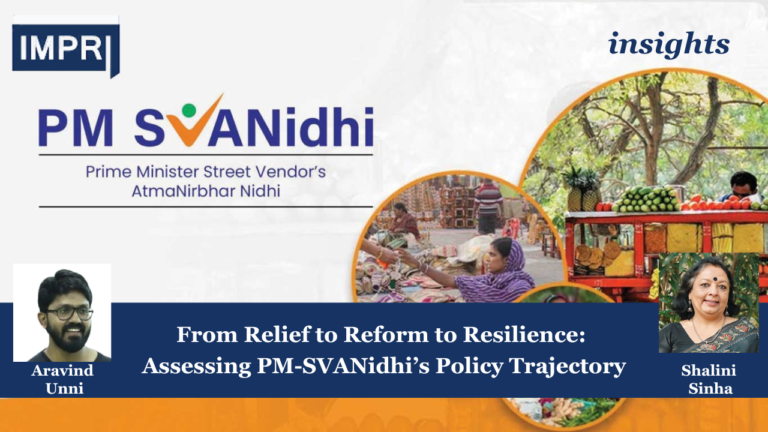
When we speak of successful government initiatives of the past decade, popular missions like the Swachh Bharat Mission (SBM) usually dominates the conversation. Yet, quietly, another programme has been impacting the lives of the millions of India’s urban street vendors, who sustain the everyday economy of Indian cities.
The government's chief economic advisor, V Anantha Nageswaran, says he is not losing sleep over the falling rupee. We wish him long nights of peaceful rest and restoration. While the government and the RBl rest, the rupee will be hard at work, to give some respite to our exporters hit hard by Trumpian tariffs.
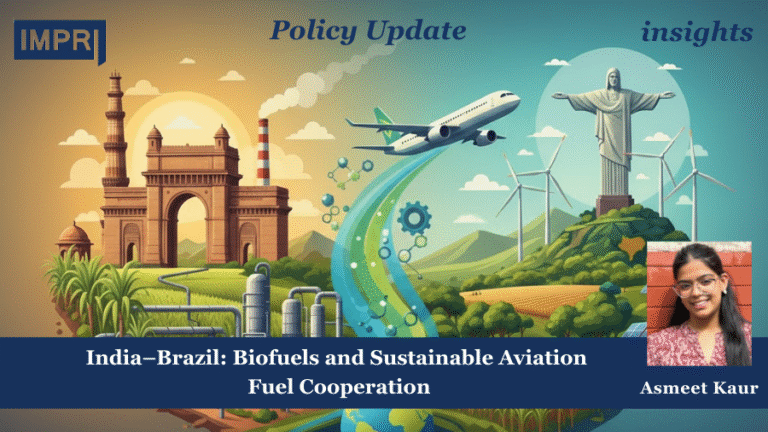
India and Brazil are natural partners in the low-carbon bioenergy transition. Brazil has decades of experience in large-scale biofuel deployment, most famously its sugarcane-based ethanol program and a mature flex-fuel vehicle market, while India has moved aggressively in recent years to scale ethanol blending and to develop policy frameworks for sustainable aviation fuel (SAF). The two countries formalized energy and biofuel cooperation through a series of memoranda and joint statements: New Delhi's Ministry of Petroleum and Natural Gas and its Brazilian counterparts highlighted SAF and biofuel collaboration in a joint statement on 21 September 2024, and broader bioenergy MOUs and bilateral instruments between India and Brazil date back several years and were reiterated during high-level exchanges in 2024–2025.
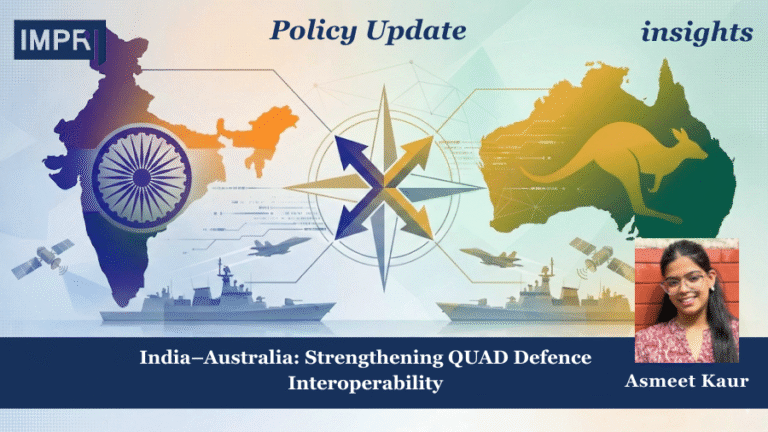
In the 21st century, the Indo-Pacific has emerged as the epicentre of global geopolitics due to shifting power dynamics, competing naval claims, supply-chain competition, and increased defence postures. With the Indo-Pacific region lofty ambitions to become the world's strategic and economic centre of gravity, partnerships among like-minded democracies continue to grow in significance. In this regard, the India–Australia relationship has become a fundamental stabilising element in the broader Quad Security Dialogue (QUAD) context.