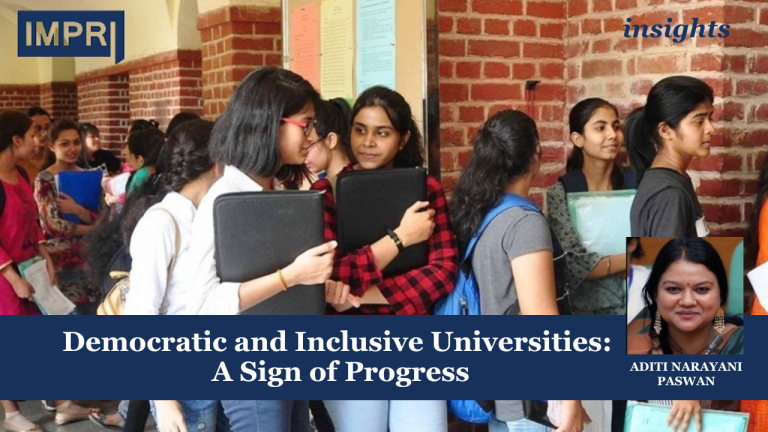
Democratic and Inclusive Universities: A Sign of Progress
This article examines the democratic transformation of universities, situating it within global changes towards inclusion and equity.
This article examines the democratic transformation of universities, situating it within global changes towards inclusion and equity.
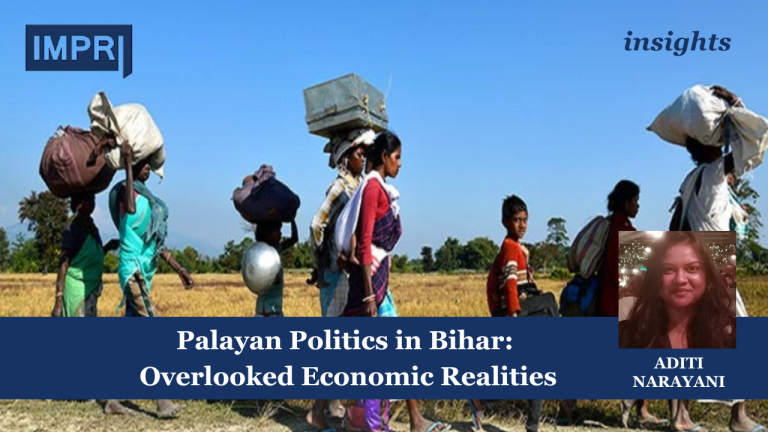
Geographically, North Bihar has been a victim of flooding, the flat plains of Central Bihar face water inundation, and South Bihar struggles with water shortage. Historically, people from the Koshi region would migrate to other parts of Bihar and (now) Jharkhand. But slowly, ‘palayan’ (desertion) became a part of the consciousness of Biharis. According to 2011 Census data, over 75 lakh Biharis live outside the state. The actual figure, of course, might be much higher.
It is the season of digital spectacle. From Smart Cities to the National Urban Digital Mission (NUDM), the Union government never misses an opportunity to announce a grand plan for “transforming urban India.” Glossy dashboards, artificial intelligence claims, and billion-dollar contracts are flaunted as if technology alone can rescue India’s cities.
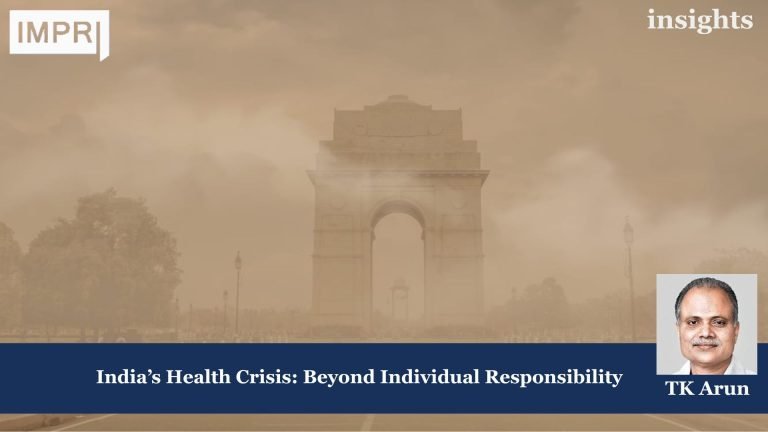
India’s wellness industry is booming, with PWC estimating its size at ₹490 billion, growing at a compound growth rate of around 16%. Fitness centres, yoga studios, Zumba dance classes, personal trainers, health food, and athleisure clothing proliferate. A section of the population is really taking their health and fitness into their own earnest hands, even as another section is feasting on newfound prosperity and growing obese.
The Indian population is growing, and the country is demonstrating strong growth potential. In this scenario, a lack of financial inclusion can be one of the major challenges faced by the government.
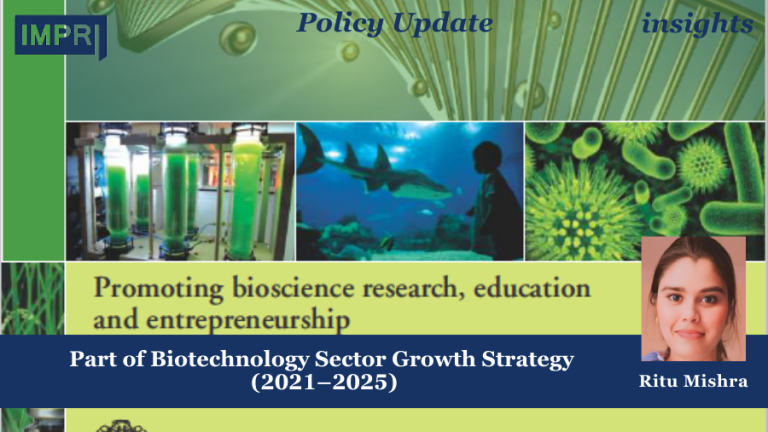
The Biotechnology Sector Growth Strategy (2021–2025) was launched by the Department of Biotechnology (DBT), Ministry of Science and Technology, Government of India established in 1986 with the vision to transform India into a global bio-manufacturing and innovation hub. This strategy is aligned with the national target of building a USD 150 billion bioeconomy by 2025.
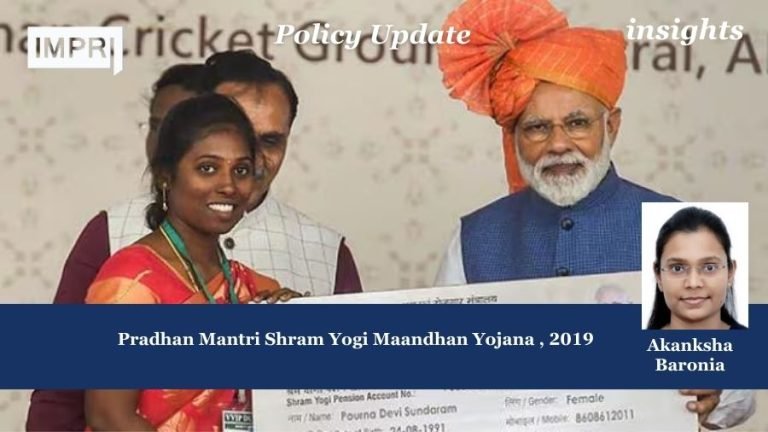
Unorganised Workers are mostly engaged as home-based workers, street vendors, mid-day meal workers, head loaders, brick kiln workers, etc. As per the e-Shram portal, there are over 30.51 crore unorganised workers registered, as on 31 December 2024. Pradhan Mantri Shram Yogi Maan Dhan was introduced in the Interim Budget 2019.