Category Centres

Unions

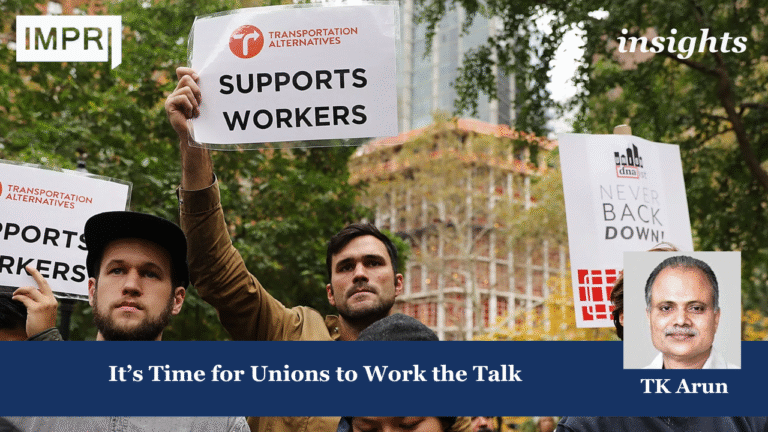
It’s Time for Unions to Work the Talk

The four labour codes long in the making have finally been notified. The good thing is that a legal framework now exists for a company inclined to provide social security for the gig workers it employs to actually provide it. Uber, for example, says it has been waiting for such a legal framework. Any labour law is only as good as its enforcement. Where workers and their unions are strong enough to compel enforcement, laws are complied with.
Energy

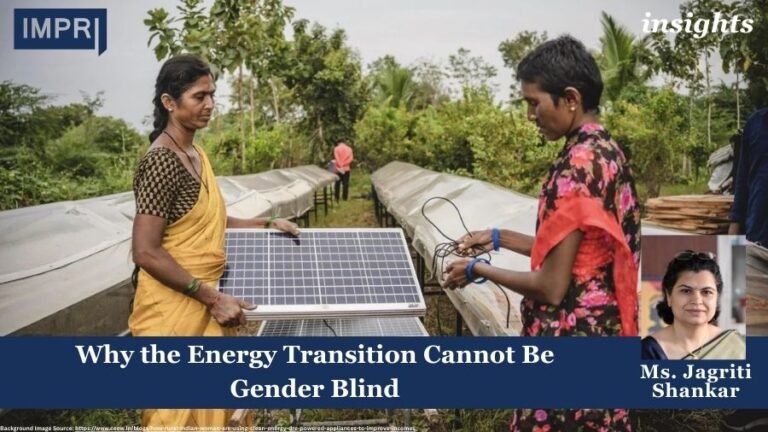
Why the Energy Transition Cannot Be Gender Blind

Policies are often described as gender neutral. In reality, they are rarely neutral. Women, men, and different social groups experience policies differently because they do not have equal access to resources, opportunities, or decision-making power. Social norms, unequal asset ownership, unpaid care responsibilities, mobility constraints, access to finance, education, and institutional power all shape how people engage with public programs.

Transport

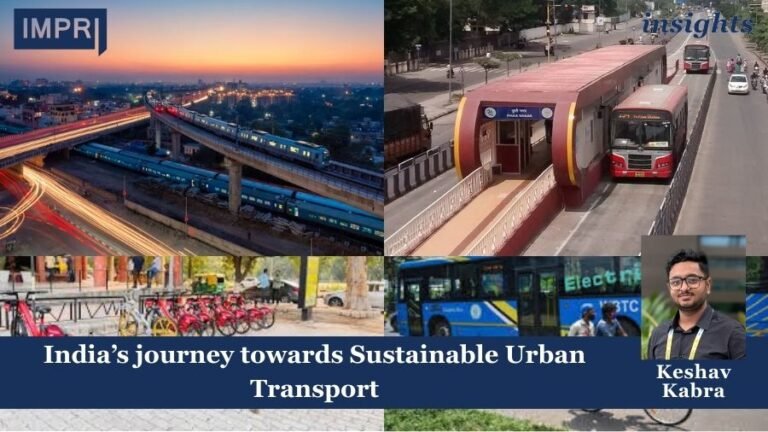
India’s Journey Towards Sustainable Urban Transport

India is witnessing one of the major demographic transitions in the world, marked by ongoing rapid urbanization and an upward trajectory. This transformation places a significant pressure on the country's existing infrastructure systems. India’s urban population saw a rapid rise between 2001 to 2011, surging from 286.1 million to 377.1 million. It is estimated that by 2031, India will have approximately 600 million urban residents.

Healthcare

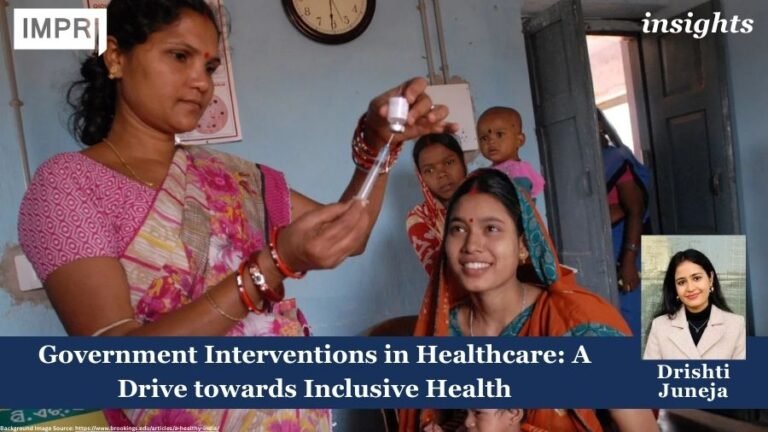
Government Interventions in Healthcare: A Drive towards Inclusive Health

Healthcare is one of the most fundamental and crucial industries of the economy of any country, including ours. However, it is confronted by a huge problem. Its markets don't offer an equitable and efficient distribution of resources. This inefficiency is a critical concern for public policy. The healthcare sector represents an example of "market failure" where allocation of resources is inefficient.

PU posting 2.0 nanditha blog

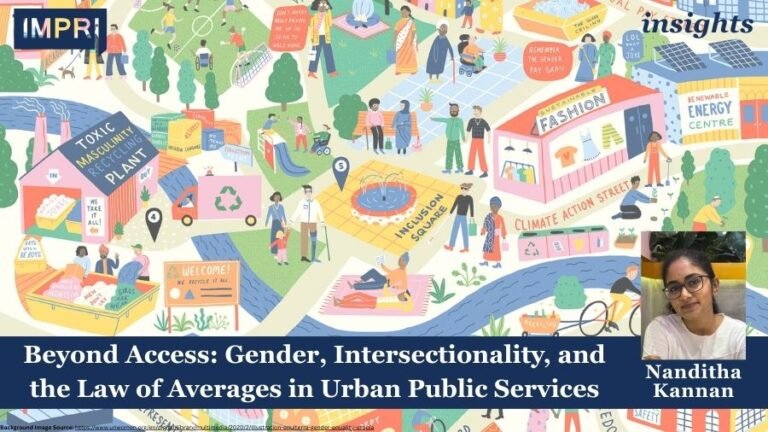
Beyond Access: Gender, Intersectionality, and the Law of Averages in Urban Public Services

Indian cities are often celebrated as engines of growth and opportunity, driven by expanding infrastructure and ambitious urban development projects. However, it can be noticed that access to public spaces and essential services is not experienced uniformly across social groups in such urban dwellings. This article reflects on a research journey that examines gendered inequalities in urban public spaces and services.

Burden

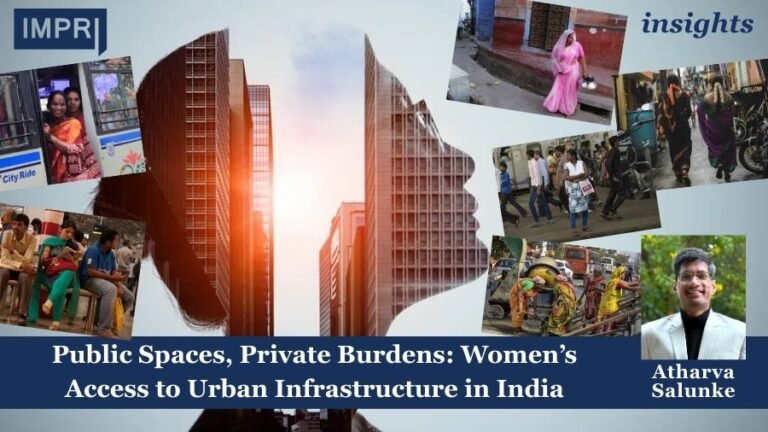
Public Spaces, Private Burdens: Women’s Access to Urban Infrastructure in India

Indian urban policy increasingly frames cities as inclusive, liveable, and gender-sensitive. Yet, this narrative collapses under scrutiny. Women’s everyday engagement with cities reveals a fundamental contradiction: while urban infrastructure is publicly funded and collectively justified, its design failures are privately absorbed by women’s bodies, time, safety, and unpaid labour. The Indian city does not merely exclude women incidentally; it is structured around assumptions that systematically marginalize them as legitimate users of public space.

Trump

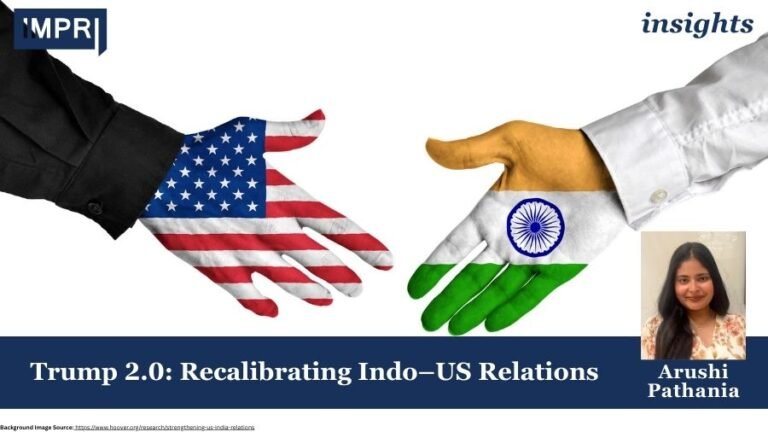
Trump 2.0: Recalibrating Indo–US Relations

The election of Donald Trump and the emergence of his "America First" ideology represents a significant challenge to the Post world war II liberal international order and its underlying premise that a rules-based global system benefits U.S. interests in the long run. Trump's "America First" approach, characterized by a mix of economic isolationism and an interventionist military and political strategy under constrained resources, created significant strategic unpredictability in global affairs.

Talk to Us