Category Center for Environment, Climate Change and Sustainable Development

Tourism

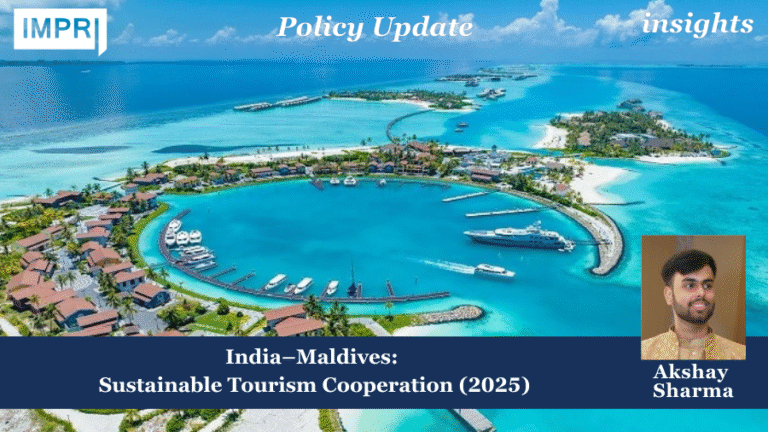
India–Maldives: Sustainable Tourism Cooperation (2025)

The Republic of Maldives, located on the Indian subcontinent, consists of 1,190 coral islands grouped into 26 natural atolls. Following the Maldives' independence in 1965, India was one of the first countries to recognise and establish diplomatic relations with them. India and the Maldives have had long-standing ethnic, linguistic, cultural, religious, and economic links. Physical proximity, cultural links, and development collaboration have all contributed to the two countries' close, friendly, and diverse relationship.

In Small Island Developing States (SIDS) such as the Maldives, where tourism is the principal source of foreign exchange profits and government revenue, the business is growing.
world

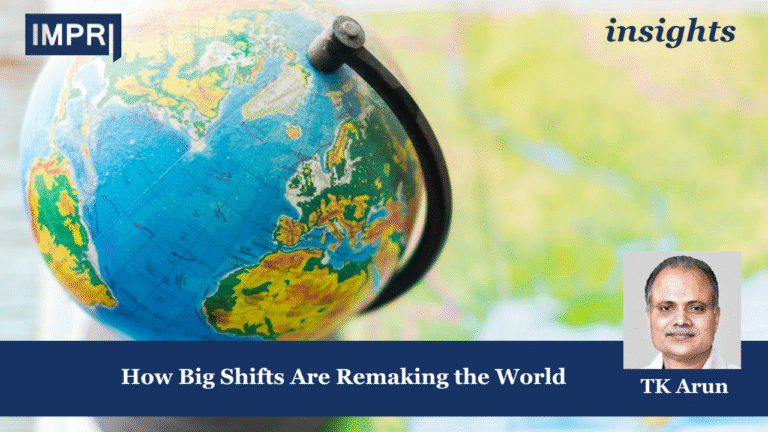
How Big Shifts Are Remaking the World

A remarkable feature of the world in the wake of President Trump’s assault on the global trading and security system is the resilience of global interdependence.

Delhi

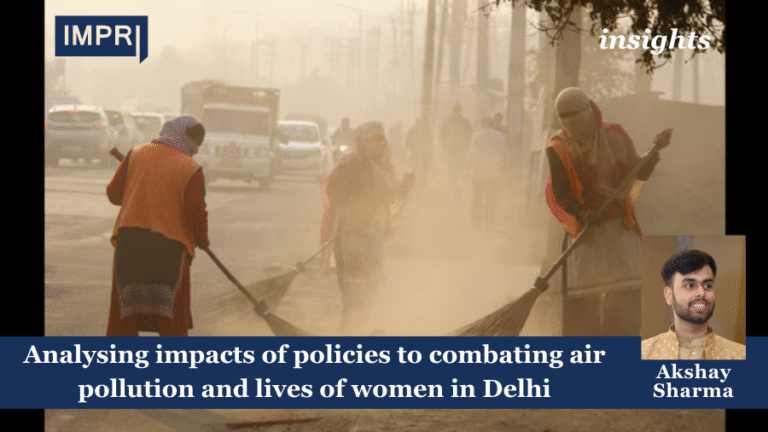
Analysing impacts of policies to combating air pollution and lives of women in Delhi

Delhi has become a centre of controversy and politics for the continuously rising and persisting levels of high AQI. Rising vehicular emission, industrial expansion, burning of stubble, etc. remains to be the prime suspected reason for this. States keep blaming each other for transmitting it with lesser stricter action against polluters.

Copy of Insights 1 6

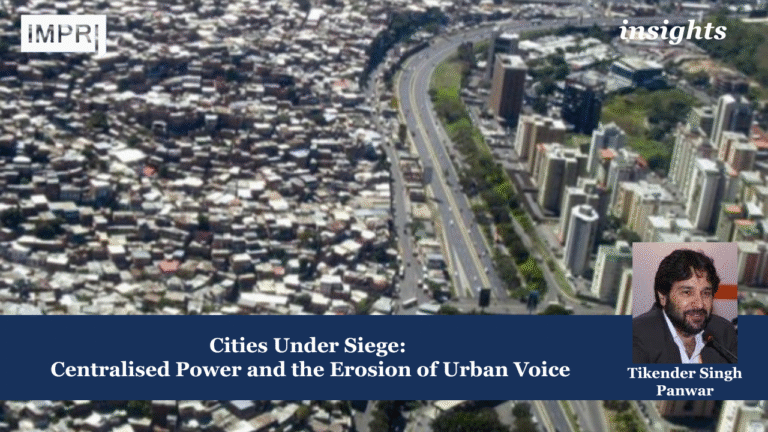
Cities Under Siege:Centralised Power and the Erosion of Urban Voice

On a humid August morning, Washington DC awoke to the sight of National Guard convoys rumbling through its avenues. United States President Donald Trump had invoked a rarely used clause of the District of Columbia Home Rule Act, taking direct control of the capital’s police and declaring a ‘crime emergency’.

Renewable

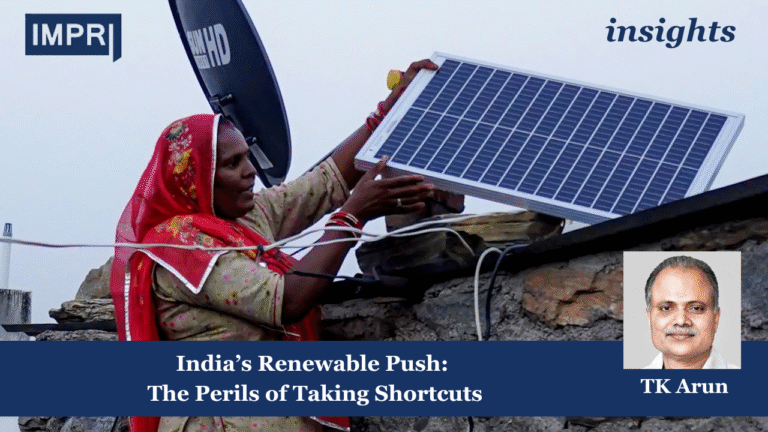
India’s Renewable Push: The Perils of Taking Shortcuts

The Adani group is entering the battery energy storage system business, with an initial planned capacity of 1.126GW of power, capable of delivering that power for around three hours. This solves two kinds of problems, but creates two larger ones, of supply-chain dependence on China and significant indirect emissions of the kind green energy is supposed to avoid.

Transport

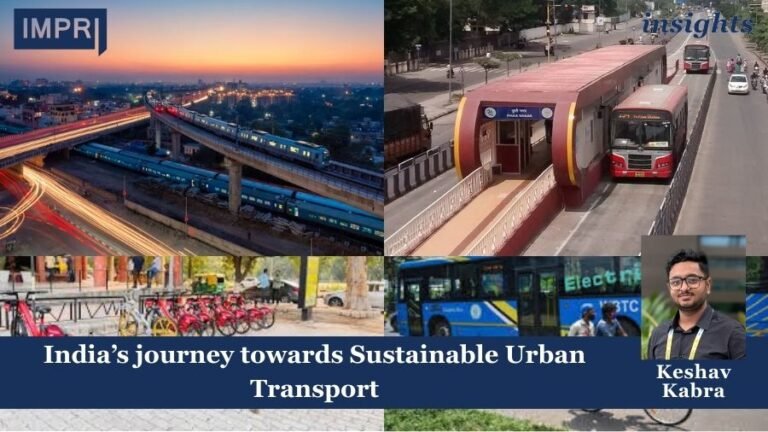
India’s Journey Towards Sustainable Urban Transport

India is witnessing one of the major demographic transitions in the world, marked by ongoing rapid urbanization and an upward trajectory. This transformation places a significant pressure on the country's existing infrastructure systems. India’s urban population saw a rapid rise between 2001 to 2011, surging from 286.1 million to 377.1 million. It is estimated that by 2031, India will have approximately 600 million urban residents.

Digital

From Code to Coal: The Energy Footprint of India’s Digital Ambitions

If winter comes, can spring be far behind? Given the 23.5 degree tilt of the earth’s axis, which produces the seasons during the course of the planet’s steady rotation around the sun, such poetic expectation of inevitable good tidings is pretty realistic. But the hope that if you build giant data centres, a boom in artificial intelligence capability and its applications would follow rests on shakier ground.

Talk to Us