Category Center for Environment, Climate Change and Sustainable Development

Mission LiFE: Lifestyle for Environment

Mission LiFE – Lifestyle for Environment – Policy Update 2025

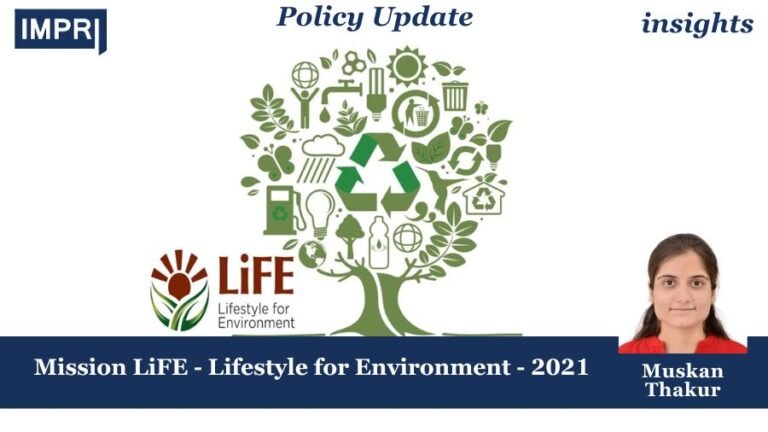
Policy UpdateMuskan Thakur “This word is LiFE, which means ‘Lifestyle For Environment’. Today, there is a need for all of us to come together and take Lifestyle For Environment forward as a campaign. This can become a mass movement towards…

WhatsApp Image 2025 12 01 at 17.53.56 1d1ad4f2

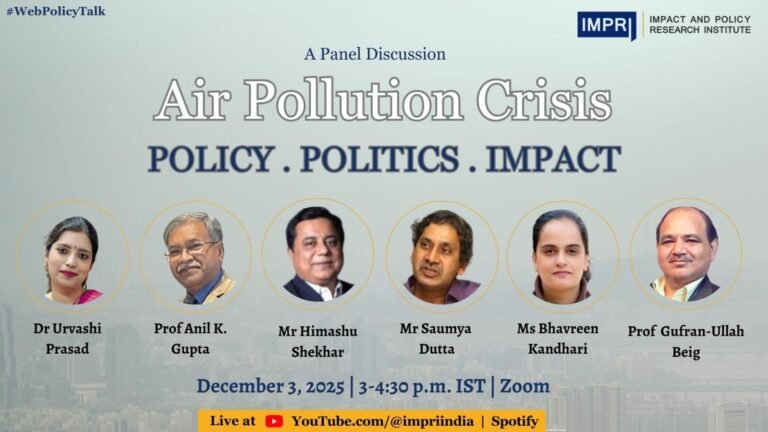
Air Pollution Crisis: Policy, Politics & Impact

The panel discussion on “Air Pollution Crisis: Politics, Policy and Impact,” organized by the IMPRI Centre for Environment, Climate Change and Sustainable Development, brought together experts, practitioners, and policy analysts. They examined India's worsening air pollution emergency from scientific, political, economic, and public health angles.

climate

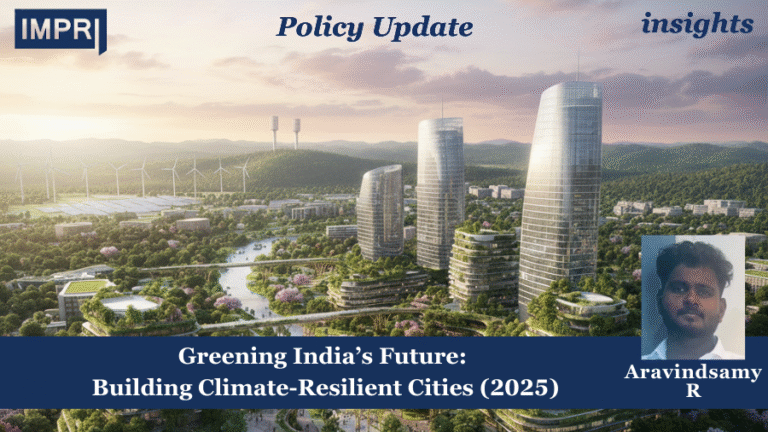
Greening India’s Future: Building Climate-Resilient Cities (2025)

India is experiencing rapid urbanization, with over 35% of its population now residing in cities—a figure projected to reach 40% by 2035. While urban growth drives economic development, it has also intensified ecological stress, reducing green cover and increasing vulnerabilities to climate change.

firecracker

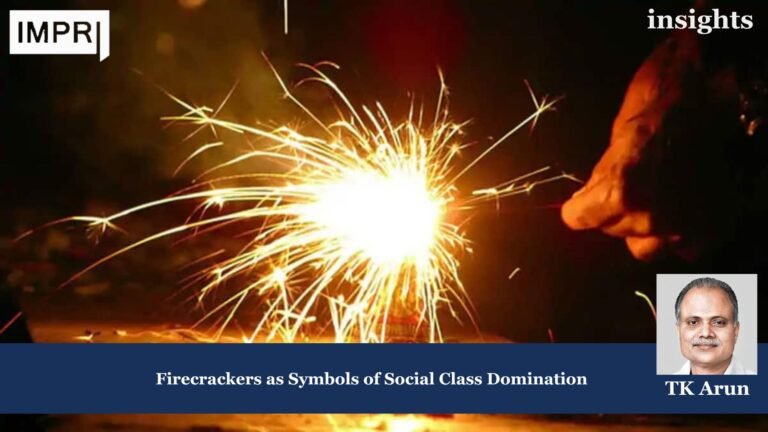
Firecrackers as Symbols of Social Class Domination

The rich make competitive noise, pollute the air, switch on their air purifiers and air conditioners, and leave the less well-off to choke, wheeze and sicken

Diwali is no longer the gentle festival of lamps, gifting, good food and shared celebration. Diwali is a now a raging battleground of class aggression, in which the rich compete to show they are one up on their neighbours, bursting more copious amounts of crackers and setting off ever more spectacular fireworks. They have their hours of fun, and withdraw indoors to feast and party in rooms where air purifiers and air conditioners do double duty to scrub the air of the filth they have just injected into it.
urban

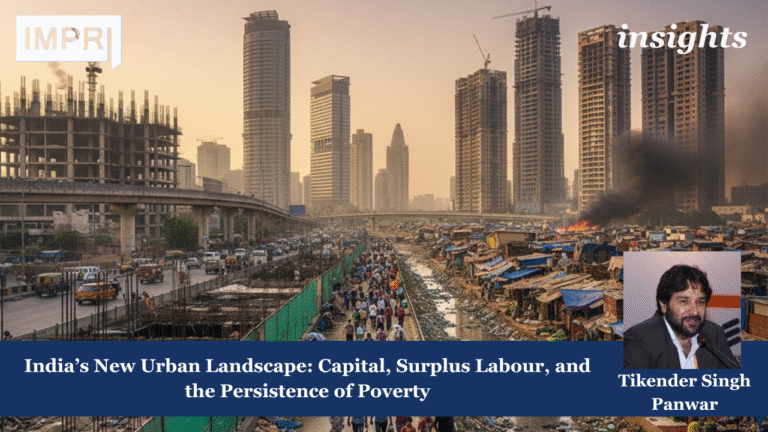
India’s New Urban Landscape: Capital, Surplus Labour, and the Persistence of Poverty

The story of urbanisation in the Global South – and particularly in India – is not one of industrial expansion or prosperity. It is a story of pauperisation. Cities today are swelling not because factories are hiring, but because the countryside is expelling. This new urbanisation is driven by desperation rather than development – by the push of agrarian collapse, not the pull of industrial promise.

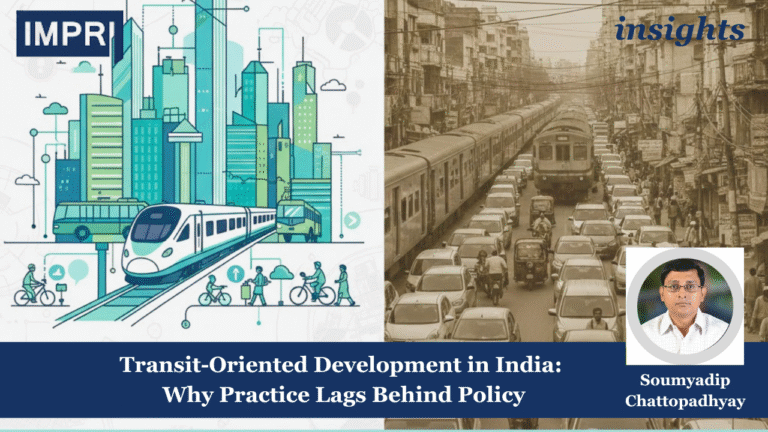
Transit-oriented Development can curb India's urban dysfunctions by integrating land use with transport, but fragmented governance, weak execution, and poor planning hinder its transformative potential.

Transit-Oriented Development in India: Why Practice Lags Behind Policy

Transit-oriented Development can curb India's urban dysfunctions by integrating land use with transport, but fragmented governance, weak execution, and poor planning hinder its transformative potential.

3 1

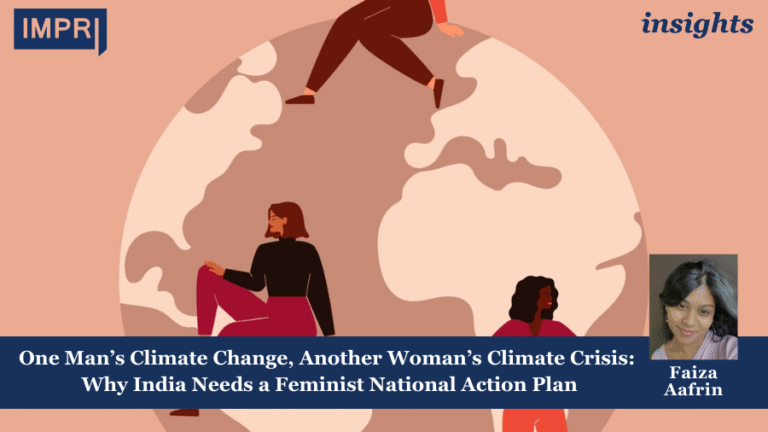
One Man’s Climate Change, Another Woman’s Climate Crisis: Why India Needs a Feminist National Action Plan

The severity and overarching implications of climate change in the world’s most populated country need no introduction. According to World Bank reports, India undergoes extreme heat, rapidly changing waterfall patterns, overexploited groundwater resources, and security threats including but not limited to energy, food, water, and agriculture, along with regional migration conflicts.

Talk to Us