Category Gender Impact Studies Center

117 1

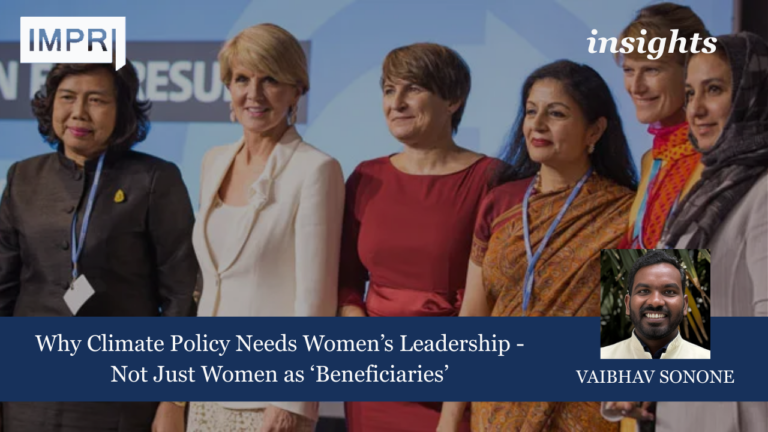
Why Climate Policy Needs Women’s Leadership – Not Just Women as ‘Beneficiaries’

Across India, climate and livelihood policies increasingly recognize women, but largely as vulnerable groups or beneficiaries. Women are visible in policy documents, State  Action Plans on Climate Change, watershed programmes, and rural livelihood missions as recipients of  support or participants in implementation. While this recognition is important, it reflects a limited framing  of women’s role in climate adaptation. So, a question arises- why is women’s leadership missing at grassroot?

Labour

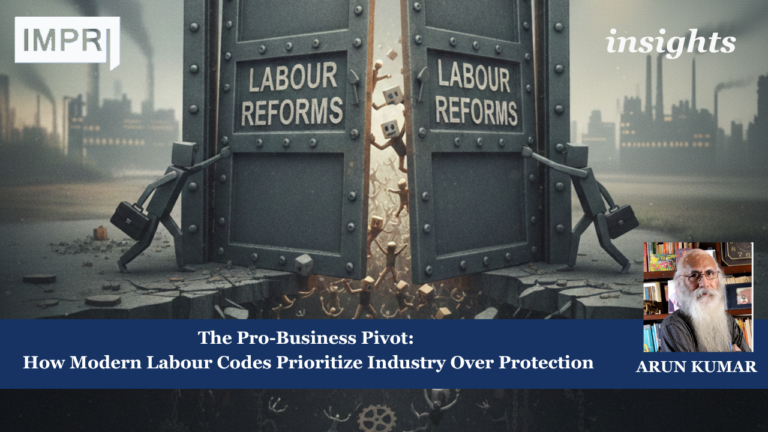
The Pro-Business Pivot: How Modern Labour Codes Prioritize Industry Over Protection

That Labour Codes will create a divide between workers and businesses was a given. The former have opposed them since 2019 when the Code on Wages was passed by parliament followed by the other three in 2020 – the Industrial Relations Code, the Code on Social Security and the Occupational Safety, Health and Working Conditions Code. Businesses have been pressing for their implementation since then because they know they will benefit from them. The government presents these Codes as beneficial to labour since they are supposed to simplify a very complex and outdated system. 

HIV

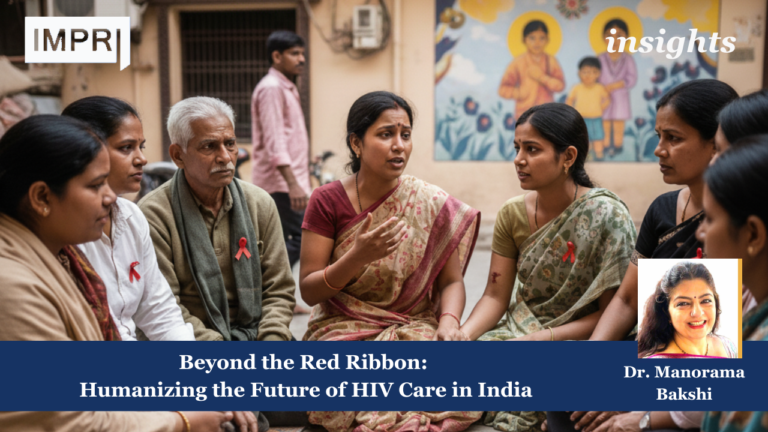
Beyond the Red Ribbon: Humanizing the Future of HIV Care in India

When India diagnosed its first case of HIV in 1987, it was met with silence, fear, and judgment. The virus was poorly understood, and those living with it were often treated as outcasts -denied care, employment, or even the dignity of empathy. Hospitals hesitated to admit them, schools refused their children, and neighbours withdrew in fear. It was a time when HIV was not just a virus — it was a social sentence.

Tribal

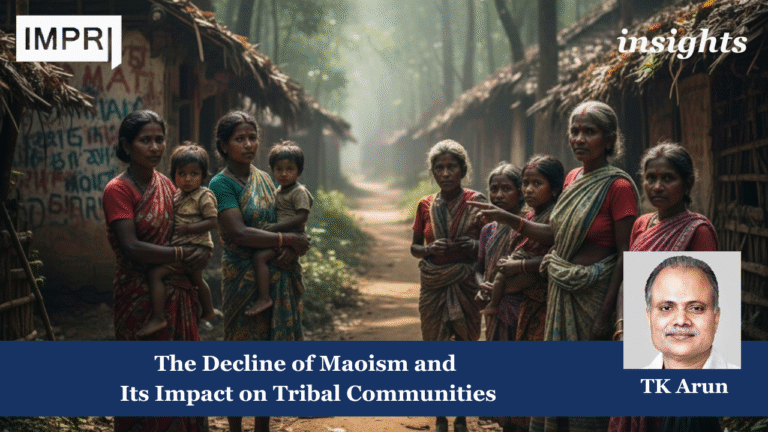
The Decline of Maoism and Its Impact on Tribal Communities

The Maoists might have been looking after their own interests more than those of the tribal people, and hindering State efforts to extend the scope of governance and development to their habitats, but they also raised a voice of protest against acts of injustice against the tribals.

Air

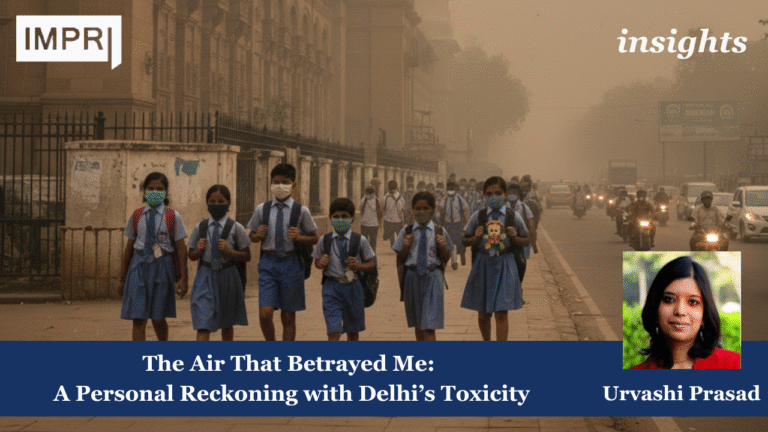
The Air That Betrayed Me: A Personal Reckoning with Delhi’s Toxicity

November is Lung Cancer Awareness Month. Across the US and Europe, white ribbons mark solidarity with patients, caregivers, advocates and doctors. In India, silence reigns, even though 93 of the world’s 100 most polluted cities are here, and here, lung cancer is rising alarmingly among non-smokers, especially young women.

Nearly one in three lung cancer patients in India today has never smoked, and doctors are seeing women in their late 20s and 30s being diagnosed with advanced disease.

This is not a smoker’s disease anymore — it is a breather’s disease, driven by toxic air and environmental exposures.

Trump

Trump, AI and the Global Growth Test of 2026

Earlier this month, Sam Altman of OpenAI declared Code Red at the company: the latest version of its chatbot was underperforming Google’s latest offering, Gemini 3. That panic had one simple explanation: he believes artificial intelligence (AI) to be yet another technology service in which the winner takes all.

Talk to Us