Category Centres

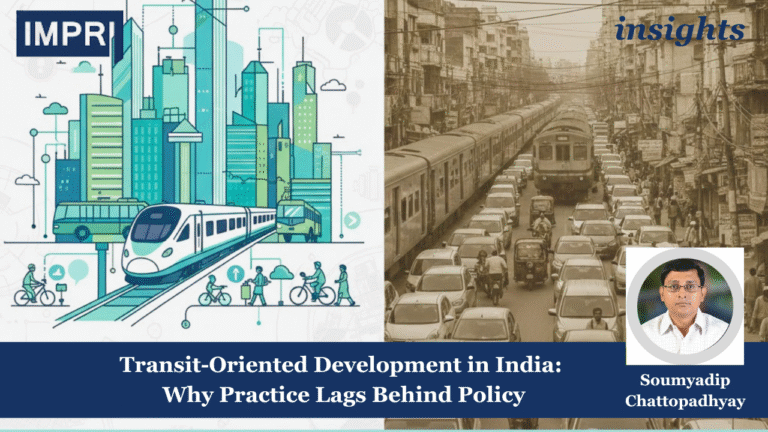
Transit-oriented Development can curb India's urban dysfunctions by integrating land use with transport, but fragmented governance, weak execution, and poor planning hinder its transformative potential.

Transit-Oriented Development in India: Why Practice Lags Behind Policy

Transit-oriented Development can curb India's urban dysfunctions by integrating land use with transport, but fragmented governance, weak execution, and poor planning hinder its transformative potential.
Crony

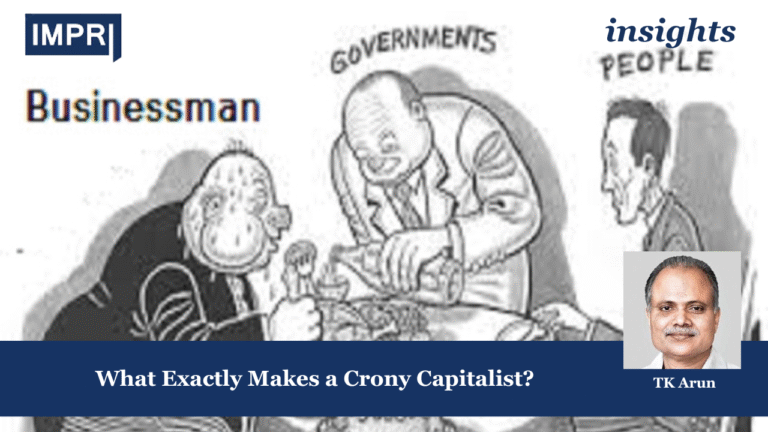
What Exactly Makes a Crony Capitalist?

From the exploitative moneylender of iconic movies like Mother India to the factory owner who employs goons to beat up workers who dare to stand up against exploitation, the protagonist of business has tended to be portrayed, in the public discourse, as being deficient in ethics. Of late, a subspecies of the immoral tycoon has grownlarger than life: the crony capitalist.

4 1

Can Feminist Foreign Policy Be A Catalyst For Reducing Cultural Misogyny In Rural India?

When one wears the lens of feminism there is no going back , only a urge to break the centuries old structures that once seemed ordinary
Misogynistic means beliefs , behaviour , law , tradition etc which treats women as LESS important, LESS intelligent, LESS worthy and objects to control at large

3 1

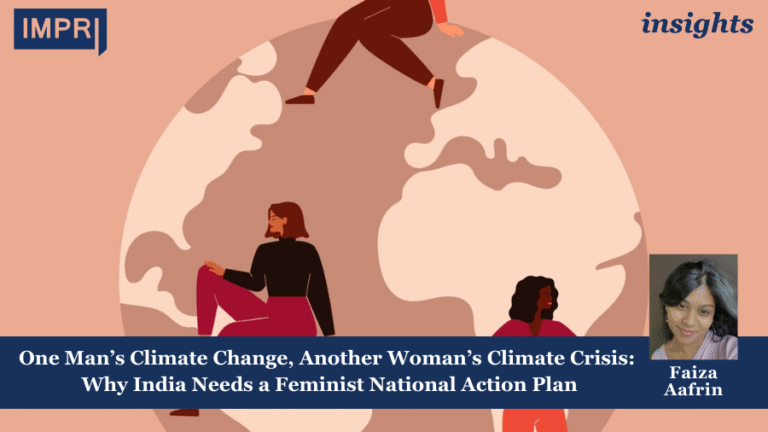
One Man’s Climate Change, Another Woman’s Climate Crisis: Why India Needs a Feminist National Action Plan

The severity and overarching implications of climate change in the world’s most populated country need no introduction. According to World Bank reports, India undergoes extreme heat, rapidly changing waterfall patterns, overexploited groundwater resources, and security threats including but not limited to energy, food, water, and agriculture, along with regional migration conflicts.

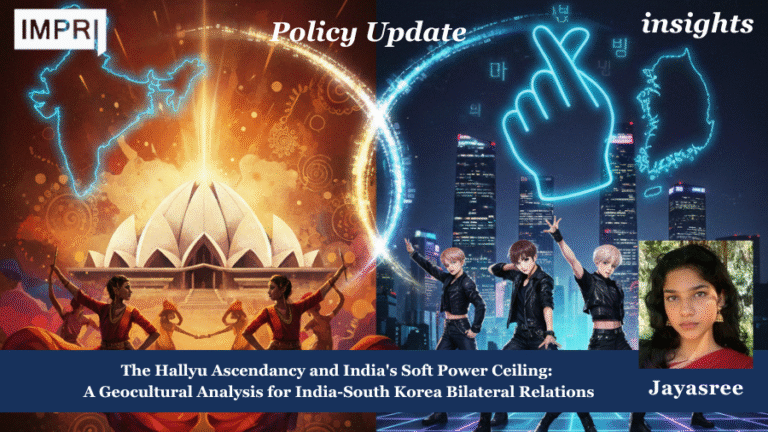
The Hallyu Ascendancy and India's Soft Power Ceiling: A Geocultural Analysis for India-South Korea Bilateral Relations

The Hallyu Ascendancy and India’s Soft Power Ceiling: A Geocultural Analysis for India-South Korea Bilateral Relations

The Korean wave, etymologically known as the hallyu, refers to the soft power of the Korean popular culture that originated in Southeast Asia, first in mainland China and eventually spreading across Asia in the late 1990s. The transnational cultural influence of the K-wave in the postmodern era is one of a kind due to the decisive yet dominant nature of ‘compressed modernity’. South Korea experienced a century's worth of economic growth-led cultural influence within the span of a few decades. The phenomenon of ‘Miracle on the Han River’ transformed a war-ravaged South Korea that was one of the 25 poorest countries in the world in the 1960s into an advanced economy built on technology and innovation, with the help of the International Development Association of the World Bank. 

Trump

Trump’s “Make It in America” Push Is Falling Flat

The most momentous event of the last week has been the Gaza ceasefire. It has brought respite for Palestinians from genocidal slaughter and famine, and brought 20 hostages back home to Israel. The peace deal is still fragile, and could unravel.

2 1

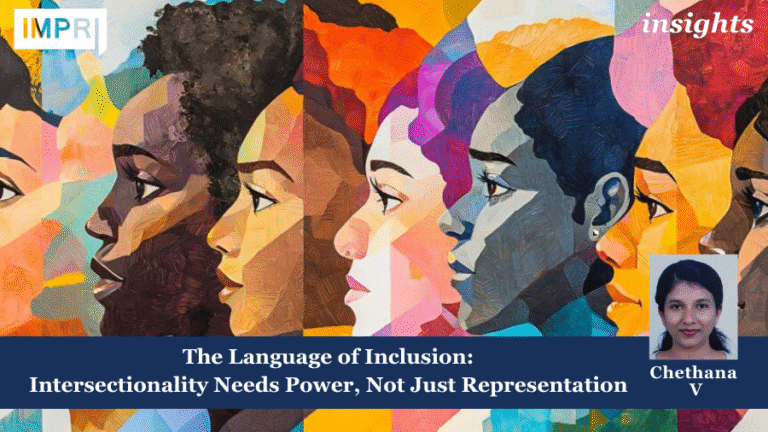
The Language of Inclusion: Intersectionality Needs Power, Not Just Representation

Across international conferences, UN assemblies, and foreign policy statements, the language
of inclusion has become familiar. Governments and global institutions now speak of
“diversity,” “empowerment,” and “intersectionality” with confidence. On the surface, it
appears that the world has finally started acknowledging the complexity of women’s lives.
But when we look closely, a gap emerges between what is promised and what is practiced.

Talk to Us